



Physicians use a variety of tools to monitor and diagnose health conditions. For individuals who may be at risk for diabetes or are managing the condition, one common diagnostic tool is the A1C test. Medical professionals rely on the results to help diagnose prediabetes and type 2 diabetes. They also use it to monitor how well a diabetes treatment plan is working.
What Is an A1C Test?
The A1C test measures the amount of glucose (sugar) in one’s blood. Hemoglobin is the part within red blood cells that carries oxygen. When glucose circulates in your blood, it naturally binds to hemoglobin. The more glucose in your blood, the more of it will attach to hemoglobin.
Red blood cells have a lifespan of about three months. Because of this, the A1C test can provide an average of your blood glucose levels over this duration. This offers a longer-term view compared to a finger-prick glucose test, which only measures blood sugar at a single moment in time. A high A1C level indicates that your blood sugar levels have been consistently elevated over the past few months.
What Is Diabetes?
Diabetes is a chronic health condition that affects how your body turns food into energy. Most of the food you eat is broken down into glucose and released into your bloodstream. When your blood sugar goes up, it signals your pancreas to release insulin. Insulin acts like a key, letting the blood sugar into your body’s cells for use as energy.
With diabetes, your body either does not make enough insulin or cannot effectively use the insulin it does make. When there is not enough insulin or cells stop responding to insulin, too much blood sugar stays in your bloodstream. This can cause serious health problems, such as heart disease, vision loss, and kidney disease.

How Is It Treated?
The management of diabetes focuses on maintaining blood sugar levels within a target range. This is achieved through a combination of lifestyle adjustments and, when needed, medication. Lifestyle modifications are a foundation of diabetes management. This includes adopting a balanced eating plan that focuses on fruits, vegetables, lean proteins, and whole grains, while limiting processed foods and sugary drinks. Regular physical activity is also recommended, as it helps lower blood sugar and improves the body’s sensitivity to insulin.
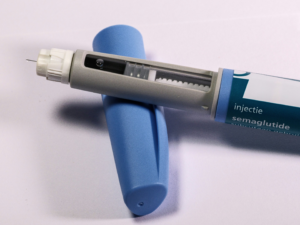
For many people with type 2 diabetes, lifestyle changes alone may not be enough to manage blood sugar levels. In these cases, oral medications may be prescribed. These drugs work in various ways to lower blood sugar. Some help the pancreas produce more insulin, others reduce the amount of glucose produced by the liver, and some improve the body’s use of insulin. If oral medications are not sufficient, or for all individuals with type 1 diabetes, insulin therapy is necessary. Insulin can be administered through injections.
Speak Further With Your Doctor
The A1C test is a standard tool for diagnosing and managing diabetes. Regular monitoring and adherence to a treatment plan are key for managing this condition effectively. The information provided here is for educational purposes and should not replace professional medical advice. Your health situation is unique, and a qualified healthcare provider is the best source of guidance for your specific needs. Discuss your A1C results, any symptoms you may be experiencing, and your treatment options with your doctor to develop a management plan that is right for you.