


A colonoscopy is a standard medical procedure used for examining the large intestine, which includes the colon and rectum. It serves as a primary tool for screening for colorectal cancer and for investigating various gastrointestinal symptoms. Understanding the procedure and what to expect can help individuals prepare for the examination.
What Is a Colonoscopy?
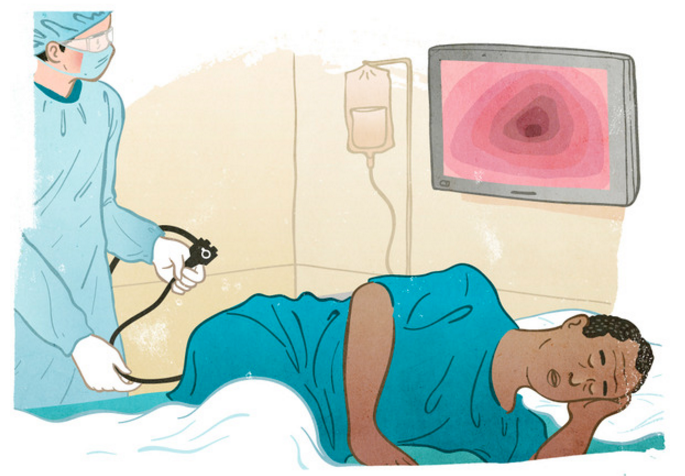
A colonoscopy is a medical examination that allows a physician to look inside the entire large intestine. The procedure is performed using a colonoscope, which is a long, thin, flexible tube with a small video camera and a light at its tip. This camera transmits images from inside the colon, giving the doctor a clear, detailed view of the intestinal lining.
The doctor can identify abnormalities such as inflamed tissue, polyps, or ulcers. If polyps are found, they can often be removed at the same time. Polyps are growths on the inner lining of the colon that can develop into cancer over time. Removing them is a preventive measure against colorectal cancer. The doctor may also take a small tissue sample, known as a biopsy, for further analysis in a laboratory.
Who Is It For?
Medical professionals recommend colonoscopies for specific groups of people. The procedure is a standard screening tool for colorectal cancer. Individuals at average risk for colorectal cancer are advised to begin screening at age 50. People with an increased risk may need to start screening earlier or have screenings more frequently.
A colonoscopy may also be ordered for diagnostic purposes. A physician might recommend the procedure for someone experiencing unexplained gastrointestinal symptoms. These symptoms could include persistent abdominal pain, chronic constipation or diarrhea, rectal bleeding, or unexplained weight loss. The examination helps the doctor investigate the cause of these issues by directly viewing the colon’s interior.
What Should You Expect?
Preparing for a colonoscopy is a multi-step process that begins before the scheduled appointment. The primary goal of the preparation is to completely clean out the colon so the physician has an unobstructed view. Your doctor will provide specific, detailed instructions for this preparation.
The prep typically involves following a special diet for a few days leading up to the procedure. This often means switching to a clear liquid diet the day before the colonoscopy. You will also be prescribed a strong liquid laxative solution to drink or an enema. These are designed to empty the bowels completely. It is necessary to follow the prep instructions exactly as provided.
On the day of the procedure, you will receive a form of sedation to keep you comfortable. Because of the lingering effects of the sedation, you may have to arrange for someone to drive you home. Your doctor will discuss the initial findings with you after the procedure, though results from any biopsies may take several days.

Confer With a Medical Expert
Your personal health situation, medical history, and specific needs will dictate the exact course of action. For personalized advice and to determine if a colonoscopy is appropriate for you, a discussion with a qualified medical professional is necessary. A healthcare provider can answer any questions you may have about the procedure, its preparation, and the results.