



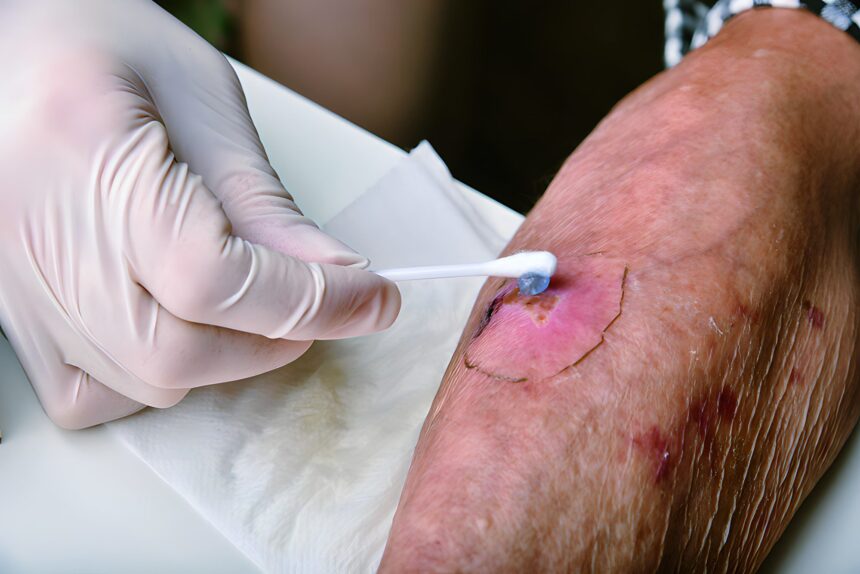
Wounds can significantly impact daily life, particularly when healing becomes prolonged or complicated. Effective wound care involves multiple components working together to promote optimal healing outcomes. Understanding proper wound care management helps patients make informed decisions about their treatment options.
What Does Wound Care Involve?
Wound care encompasses a systematic approach to treating injuries that affect the skin and underlying tissues. The process begins with a thorough wound assessment to determine the type, depth, and severity of the injury. Healthcare professionals evaluate factors such as wound size, location, drainage, and the condition of the surrounding tissue.
Treatment protocols typically include cleaning the wound area to remove debris and bacteria. Appropriate dressing selection depends on wound characteristics, with different materials serving specific purposes in the healing process. Some wounds may require specialized treatments to promote healing.
Monitoring represents an integral component of wound care management. Regular evaluation allows healthcare providers to track healing progress and adjust treatment plans accordingly. Documentation of wound changes helps identify potential complications before they become serious problems.
What Causes Slow-healing Wounds?
Several factors contribute to delayed wound healing, with underlying medical conditions playing a significant role in this process. Diabetes affects circulation and immune function, making it difficult for wounds to heal properly. Poor blood flow restricts the delivery of nutrients and oxygen needed for tissue repair.
Infection represents another common cause of healing delays. Bacterial contamination prevents normal tissue regeneration and can lead to wound expansion and deterioration. Certain medications, particularly those affecting immune system function, may also slow the healing process.
What Strategies Promote Healing?
Debridement removes dead or damaged tissue that interferes with healing progression. This process allows healthy tissue to regenerate more effectively by eliminating barriers to cellular growth. Proper dressing selection maintains optimal wound environment conditions. Moisture balance plays a beneficial role in healing, with some wounds requiring absorption while others benefit from hydration.
Medication management addresses underlying conditions that impair healing. Topical antibiotics treat localized infections, while systemic medications may target broader health issues affecting wound recovery. Pain management enables patients to maintain their mobility and participate more effectively in their care routine. Prevention strategies for foot wounds include proper footwear and custom orthotics that redistribute pressure and reduce friction on vulnerable areas.

How Can a Podiatrist Help?
Podiatrists specialize in the management of lower extremity wounds, particularly for patients with diabetes or circulatory problems. These specialists understand the complex relationship between foot structure, biomechanics, and wound development. A comprehensive evaluation includes assessing circulation, sensation, and structural abnormalities that contribute to wound formation.
Advanced treatment options available through podiatric care include specialized wound dressings and offloading techniques. Podiatrists can prescribe custom orthotics designed specifically for wound protection and pressure redistribution. These devices address the underlying mechanical factors that contribute to wound development and delays in healing.
Ongoing monitoring and preventive care help patients avoid future complications. Regular podiatric examinations identify potential problem areas before wounds develop. Education about proper foot care techniques and warning signs helps patients take an active role in their wound prevention strategy.
Seek Professional Guidance Today
Effective wound care requires a comprehensive understanding of the healing process and the selection of appropriate treatments. Early intervention helps prevent minor injuries from becoming serious complications. Consult a qualified podiatrist to discuss your wound care needs and develop a personalized treatment strategy. Professional guidance combines clinical expertise with individualized care to optimize healing outcomes and prevent future problems.