



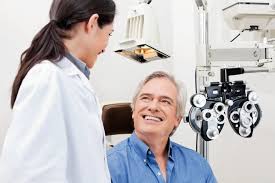
An optometrist is often the first professional patients turn to for eye care. They play a key role in routine vision correction and the management of common eye conditions. From diagnosing issues to prescribing corrective lenses, eye doctors detect problems early. Here’s more information on the optometrist’s role in managing eye conditions:
What Does an Optometrist Do?
An optometrist performs comprehensive eye examinations to assess your vision and the overall health of your eyes. These exams are more than just a simple vision screening; they involve a series of tests to evaluate different aspects of your sight. For instance, the eye doctor will check for refractive errors like nearsightedness or farsightedness. They will also test your eye coordination and focus, which are helpful for clear, comfortable vision.
A key part of the examination involves checking for signs of eye diseases that may not have obvious symptoms in their early stages. Using advanced equipment, an optometrist can inspect the internal structures of your eye, including the retina and optic nerve. This allows for the early detection of serious conditions, which can help prevent vision loss. If a vision problem is identified, the optometrist will prescribe corrective lenses, such as glasses or contact lenses, to improve your sight.
How Are Eye Conditions Managed?
An optometrist is qualified to manage many common eye conditions. For dry eye syndrome, an eye care specialist can identify the cause and recommend treatments. For eye infections like conjunctivitis, they can diagnose the specific type of infection and prescribe the appropriate antibiotic or antiviral eye drops. Other conditions, like glaucoma and cataracts, also fall under the care of an optometrist. The eye doctor will monitor the progression of these diseases and manage them with medication or other treatments to slow their advancement.
Why Is Preventive Care Necessary?
Preventive care is a fundamental component of an optometrist’s role. An eye doctor provides guidance on how to protect your eyes from injury and reduce your risk of developing certain conditions. They may recommend specific types of eyewear, such as safety glasses, for certain activities.

Your optometrist can also offer lifestyle advice that benefits your eye health. This includes discussing nutrition, as certain vitamins and minerals are helpful for maintaining good vision. They may also talk about the effects of screen time and suggest strategies to reduce digital eye strain.
Why Should You Partner for Care?
Establishing a long-term relationship with an eye care specialist is beneficial for continuous monitoring of your eye health. Regular check-ups allow your optometrist to track changes in your vision and detect issues before they become severe. This ongoing care is especially helpful if you have a chronic condition like diabetes or high blood pressure. Your optometrist works with your other healthcare providers to make sure your treatment plan is comprehensive and effective.
Visit an Optometrist Today
An optometrist is a key professional in managing your overall eye health, from conducting routine exams to diagnosing and treating various conditions. They provide preventive guidance and personalized care to help you maintain clear vision. Contact an optometrist near you today to schedule a visit.