



For many people, the terms PCOS and PCOD sound like two names for the same condition. They are related, but they are not exactly interchangeable. Understanding the difference can make it easier to recognize symptoms, prepare for a medical appointment, and understand why a doctor may recommend certain tests or treatments.
This guide explains PCOS vs PCOD in simple language, including symptoms, causes, diagnosis, fertility, weight, treatment, long-term health, and common misconceptions. It is written for readers in the United States and is intended for education, not personal diagnosis or treatment.
PCOS vs PCOD at a Glance
The most important point is that PCOS, or polycystic ovary syndrome, is a well-defined medical syndrome involving hormonal and metabolic changes. PCOD, or polycystic ovary disease, is a term that is still used in some countries and online discussions, but it is not generally used as a separate, standardized diagnosis in modern U.S. medical practice.
In simple terms:
| Feature | PCOS | PCOD |
| Full name | Polycystic ovary syndrome | Polycystic ovary disease |
| Use in U.S. medicine | Common and established term | Less commonly used |
| Hormonal changes | Common | May be described |
| Irregular ovulation | Common | Can occur |
| Elevated androgen levels | Common in many patients | May occur |
| Metabolic problems | Can be important | May be discussed |
| Fertility effects | Possible | Possible |
| Diagnosis | Based on clinical criteria | No universally accepted separate U.S. diagnostic criteria |
| Treatment | Depends on symptoms and goals | Depends on the underlying symptoms |
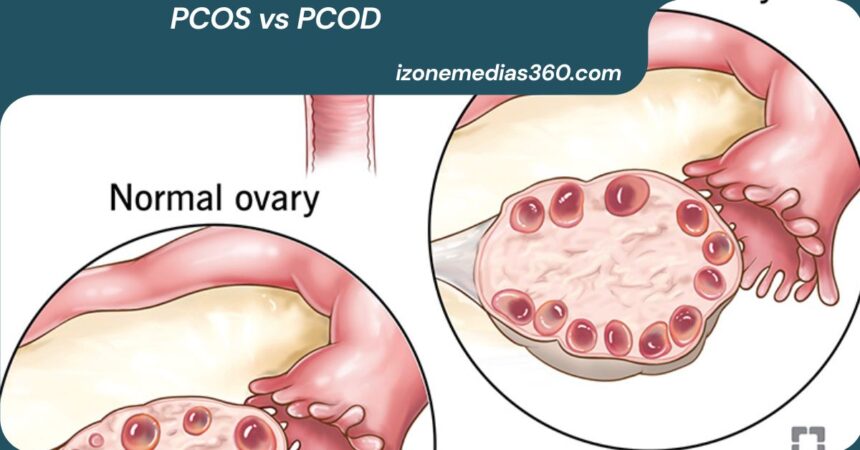
A key misconception is that the word “polycystic” means someone must have ovarian cysts. Despite its name, PCOS does not require traditional ovarian cysts for diagnosis. Some people with PCOS have many small follicles visible on ultrasound, while others may not.

What Is PCOS?
PCOS stands for polycystic ovary syndrome. It is a common hormonal disorder that can affect people during their reproductive years.
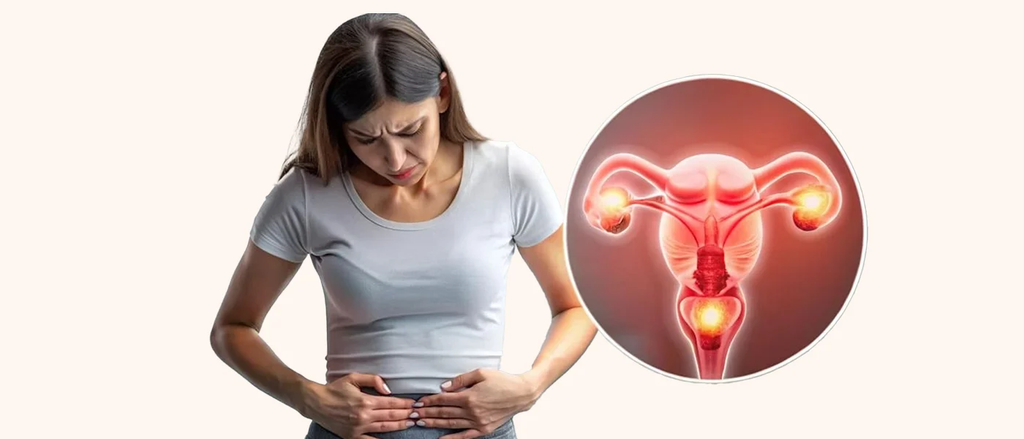
PCOS can affect several areas of health at the same time, including:
- Menstrual cycles
- Ovulation
- Androgen hormones
- Skin and hair
- Blood sugar regulation
- Body weight and body composition
- Fertility
- Long-term metabolic health
The condition can look very different from one person to another. One person may mainly experience irregular periods, while another may have acne, increased facial hair, insulin resistance, or difficulty becoming pregnant.
This variation is one reason PCOS can sometimes take time to diagnose.
What Is PCOD?
PCOD generally stands for polycystic ovary disease. The term is frequently used in online health content and in some countries outside the United States.
However, PCOD is not typically treated as a distinct diagnosis from PCOS in mainstream U.S. medical practice.
When someone says they have “PCOD,” it is useful to ask what their healthcare professional actually diagnosed. They may be referring to PCOS, polycystic-appearing ovaries, irregular ovulation, or another hormonal issue.
This distinction matters because an ultrasound showing multiple ovarian follicles alone does not automatically mean a person has PCOS.
PCOS vs PCOD: What Is the Main Difference?
The biggest difference is terminology and diagnostic standardization.
PCOS is a recognized clinical syndrome with established diagnostic approaches. PCOD is a less standardized term and may be used differently depending on the country, healthcare provider, or website.
Another important distinction is that PCOS is not simply an ovarian condition. It can involve the interaction of reproductive hormones, metabolism, insulin signaling, and other body systems.
This broader view helps explain why managing PCOS may involve more than treating menstrual symptoms.
Is PCOS the Same as PCOD?
PCOS and PCOD are often used as if they mean the same thing, but they should not automatically be considered identical.
In everyday online conversations, the terms may overlap. In medical care, however, PCOS is the more established diagnosis.
If a person has been told they have PCOD, they should ask their healthcare professional what findings support the diagnosis and whether the condition meets current PCOS diagnostic criteria.
PCOS Symptoms
PCOS symptoms can vary considerably.
Common symptoms include:
Irregular Periods
Periods may occur less often than expected, become unpredictable, or sometimes stop for extended periods.
Irregular periods can happen for many reasons, so having an irregular cycle does not automatically mean someone has PCOS.
Increased Facial or Body Hair
Some people with PCOS develop more coarse hair on areas such as the face, chest, abdomen, or back.
This is called hirsutism and is often related to higher androgen activity.
Acne and Oily Skin
Hormonal changes may contribute to persistent acne, particularly around the face, jawline, chest, or back.
Adult acne by itself is not enough to diagnose PCOS, but it can be one part of the overall picture.
Hair Thinning
Some people experience thinning hair around the scalp or a widening part.
Androgen-related changes may contribute to this symptom.
Weight Changes
Weight gain or difficulty losing weight is common among people with PCOS, but PCOS can occur at any body size.
This is an important point because someone can have PCOS without being overweight.
Difficulty With Ovulation
PCOS can interfere with regular ovulation.
When ovulation does not happen consistently, becoming pregnant may be more difficult.
Darkened Skin
Some people develop darker, thicker areas of skin, particularly around the neck, armpits, or groin.
This can be associated with insulin resistance, although other causes are possible.
PCOD Symptoms
Because PCOD is not a standardized separate diagnosis in the same way as PCOS, symptoms attributed to PCOD can vary.
Descriptions commonly include:
- Irregular periods
- Inconsistent ovulation
- Acne
- Increased body or facial hair
- Weight changes
- Difficulty becoming pregnant
- Hormonal imbalance
- Ovarian changes seen on ultrasound
If these symptoms are present, the important question is not simply whether they are called PCOD or PCOS. The important question is what is causing them.
What Causes PCOS?
There is no single cause of PCOS.
Researchers believe several factors may contribute, including genetics, hormone regulation, insulin resistance, and environmental influences.
Genetics
PCOS often appears to run in families.
A person may be more likely to develop PCOS if close family members have had PCOS or related metabolic conditions.
However, having a family history does not guarantee that someone will develop it.
Insulin Resistance
Insulin helps the body move glucose from the bloodstream into cells for energy.
Some people with PCOS have insulin resistance, meaning the body’s cells do not respond to insulin as effectively as they should.
The pancreas may then produce more insulin.
Higher insulin levels can contribute to increased androgen production in the ovaries and can make some PCOS symptoms more noticeable.
However, insulin resistance is not present in every person with PCOS.
Androgen Hormones
Androgens are hormones that are present in all people, although levels differ.
Some people with PCOS have higher-than-expected androgen levels or signs of increased androgen activity.
This can contribute to:
- Acne
- Increased facial or body hair
- Scalp hair thinning
- Irregular ovulation
Hormonal Signaling
PCOS can involve changes in the communication between the brain, pituitary gland, ovaries, and other hormonal systems.
These changes can affect the timing and regularity of ovulation.
Does PCOS Mean You Have Ovarian Cysts?
No.
This is one of the most common misunderstandings about PCOS.
The ovaries of some people with PCOS may contain many small follicles that can appear on an ultrasound. These follicles are not necessarily the same as the ovarian cysts people commonly think about.
Also, a person can have PCOS without having polycystic-appearing ovaries on an ultrasound.
The diagnosis is based on the overall clinical picture rather than the ultrasound image alone.
How Is PCOS Diagnosed?
There is no single blood test that can independently confirm PCOS.
Healthcare professionals usually consider several pieces of information.
These may include:
- Menstrual history
- Symptoms
- Physical examination
- Blood tests
- Medical history
- Other possible causes
- Sometimes pelvic ultrasound
A commonly used approach is based on the presence of at least two of three major features after other causes have been excluded:
- Irregular or absent ovulation
- Clinical or biochemical evidence of increased androgen activity
- Polycystic ovarian morphology on ultrasound or, in some settings, other ovarian assessment
The exact diagnostic approach can depend on age, medical history, and the guidelines being followed.
Why Other Conditions Must Be Ruled Out
Several other health conditions can cause symptoms that look similar to PCOS.
For example:
- Thyroid disorders
- High prolactin levels
- Certain adrenal disorders
- Pregnancy
- Some medications
- Significant changes in body weight
- Other reproductive hormone disorders
A careful evaluation helps prevent someone from being incorrectly labeled with PCOS.
PCOS Blood Tests
A doctor may order blood tests based on a person’s symptoms.
Possible testing may include assessments of:
- Androgen levels
- Thyroid function
- Prolactin
- Glucose
- Hemoglobin A1C
- Lipids
- Other hormones when appropriate
Not every person needs every test.
The purpose of testing is to understand the overall health picture and rule out other conditions.
PCOS vs PCOD and Ultrasound
Ultrasound can provide useful information, but it should not be interpreted by itself.
An ultrasound may show multiple small follicles or increased ovarian volume.
However, ovarian appearance can change with age, hormonal contraception, and other factors.
In addition, some healthy people may have ovaries that appear polycystic on ultrasound without having PCOS.
That is why an ultrasound result should be interpreted together with symptoms, medical history, physical findings, and laboratory results.
PCOS and Fertility
PCOS can affect fertility because irregular ovulation can make it harder to know when ovulation occurs.
However, PCOS does not mean infertility.
Many people with PCOS become pregnant naturally, while others may need medical assistance.
Treatment can focus on the person’s goal. Someone trying to become pregnant may need a different approach from someone who is primarily concerned about irregular periods, acne, or unwanted hair growth.
PCOS and Pregnancy
People with PCOS can become pregnant, but some may have a higher risk of certain pregnancy complications.
Depending on the individual, healthcare professionals may pay particular attention to:
- Blood pressure
- Blood sugar
- Weight-related risk factors
- Gestational diabetes
- Pregnancy-related complications
Anyone with PCOS who is planning pregnancy should discuss their health and medications with a qualified healthcare professional before conception.
PCOS Treatment Options
There is no single treatment that works for everyone.
Treatment depends on:
- Symptoms
- Age
- Pregnancy plans
- Menstrual pattern
- Metabolic health
- Other medical conditions
- Personal preferences
Lifestyle Changes
Healthy lifestyle habits can be an important part of PCOS care.
These may include:
- Regular physical activity
- A balanced eating pattern
- Adequate sleep
- Stress management
- Avoiding smoking
- Maintaining regular healthcare visits
Lifestyle changes are not about blaming someone for having PCOS.
PCOS is a medical condition, and body weight alone does not determine whether someone has it.
Medications for Period Regulation
Hormonal birth control may be prescribed to help make periods more predictable and manage certain symptoms.
For some people, it can also help with acne and androgen-related symptoms.
A healthcare professional should determine whether it is appropriate.
Metformin
Metformin is a medication commonly used for type 2 diabetes and is sometimes used in PCOS care.
It can improve insulin sensitivity and may help with certain metabolic or reproductive concerns in some people.
It is not automatically necessary for every person with PCOS.
Medications for Ovulation
People with PCOS who are trying to become pregnant may be offered medications that stimulate ovulation.
The choice depends on individual circumstances and should be supervised by a healthcare professional.
Treatment for Unwanted Hair
Options may include hormonal treatment, certain medications, cosmetic hair removal, laser treatments, or electrolysis.
The best choice depends on the person, the cause of the hair growth, cost, availability, and medical considerations.
Acne Treatment
Acne associated with PCOS can often be managed using standard acne treatments.
Some people may also benefit from hormonal approaches.
PCOS Diet: Is There One Best Diet?
There is no single “PCOS diet” that works for everyone.
A healthy eating pattern generally emphasizes:
- Vegetables
- Fruits
- Whole grains
- Beans and legumes
- Protein-rich foods
- Healthy fats
- Adequate fiber
It can also help to limit excessive intake of highly processed foods and added sugars.
The goal should be sustainable nutrition rather than extreme dieting.
Very restrictive diets can be difficult to maintain and may not provide all the nutrients a person needs.
Exercise and PCOS
Physical activity can support metabolic and cardiovascular health and may improve insulin sensitivity.
A balanced exercise routine can include:
- Walking
- Cycling
- Swimming
- Strength training
- Dancing
- Other activities a person enjoys
Consistency matters more than choosing a supposedly perfect workout.
Even moderate activity can be a useful part of a long-term health plan.
PCOS and Mental Health
PCOS can affect more than physical health.
People with PCOS may experience emotional distress related to:
- Acne
- Hair growth
- Hair loss
- Weight changes
- Fertility concerns
- Menstrual problems
- Chronic health management
Anxiety and depression can also occur in people with PCOS.
Mental health concerns should be taken seriously. Talking with a healthcare professional or mental health provider can be an important part of comprehensive care.
PCOS and Long-Term Health
PCOS is not only about periods and fertility.
Depending on individual risk factors, people with PCOS may have an increased risk of metabolic conditions.
These can include:
- Insulin resistance
- Prediabetes
- Type 2 diabetes
- Abnormal cholesterol levels
- High blood pressure
- Cardiovascular risk factors
This does not mean that every person with PCOS will develop these problems.
It means that appropriate screening and preventive care can be important.
PCOS vs PCOD: Can Both Affect Fertility?
Yes.
Both terms are commonly associated with problems involving ovulation, but because PCOD is not a standardized separate diagnosis in U.S. medicine, fertility advice should be based on the actual underlying condition.
If someone has irregular periods and is having difficulty becoming pregnant, a healthcare professional can evaluate whether irregular ovulation is occurring and identify other possible causes.
PCOS vs PCOD in the United States
For readers in the United States, PCOS is the term most likely to be used by physicians, gynecologists, endocrinologists, and fertility specialists.
If an online article, social media post, or health forum uses the term PCOD, it should not automatically be treated as a separate medical condition.
When communicating with a U.S. healthcare provider, using the exact diagnosis documented in your medical record is generally more useful than relying on internet terminology.
Common PCOS Myths
Myth 1: PCOS Means You Have Cysts
Not necessarily.
The name can be misleading. PCOS is a syndrome involving reproductive and metabolic features, and ovarian cysts are not required for diagnosis.
Myth 2: Everyone With PCOS Is Overweight
False.
PCOS can occur in people of all body sizes.
Myth 3: PCOS Always Causes Infertility
False.
PCOS can make ovulation irregular, but many people with PCOS become pregnant.
Myth 4: You Can Cure PCOS With One Food
There is no scientifically established food that permanently cures PCOS.
A healthy eating pattern can support overall health and may improve some metabolic and reproductive features, but it is not a guaranteed cure.
Myth 5: PCOS Only Affects the Ovaries
False.
PCOS can involve hormonal, metabolic, reproductive, skin, and mental health concerns.
Myth 6: An Ultrasound Alone Diagnoses PCOS
Not usually.
A proper diagnosis requires consideration of the broader clinical picture and other possible causes.
PCOS vs PCOD and Weight Loss
Weight management can be challenging for some people with PCOS.
Hormonal changes, insulin resistance, appetite regulation, sleep, stress, medications, genetics, and lifestyle can all influence body weight.
It is important to avoid assuming that lack of weight loss means someone is not trying hard enough.
Healthcare professionals can help create realistic goals based on overall health rather than focusing only on the number on a scale.
Can PCOS Go Away?
PCOS is generally considered a long-term condition, although symptoms can change over time.
For some people, menstrual cycles become more regular. Others may continue to experience symptoms for many years.
Treatment and lifestyle changes can help manage symptoms and reduce health risks.
A reduction in symptoms does not necessarily mean the underlying tendency has permanently disappeared.
PCOS and Menstrual Health
Long periods without ovulation can sometimes lead to prolonged exposure of the uterine lining to estrogen without enough progesterone.
For this reason, healthcare professionals may recommend treatment to protect the endometrium when periods are very infrequent.
This is one reason persistent irregular periods should not simply be ignored.
When Should You See a Doctor?
Consider talking with a healthcare professional if you have:
- Very irregular periods
- Periods that stop unexpectedly
- New or rapidly increasing facial hair
- Persistent hormonal acne
- Unexplained scalp hair thinning
- Difficulty becoming pregnant
- Signs of blood sugar problems
- Other unexplained hormonal symptoms
Very sudden or severe symptoms deserve prompt medical evaluation because they may have causes other than typical PCOS.
How to Prepare for a PCOS Appointment
A little preparation can make a medical visit more useful.
Consider tracking:
- The dates of your periods
- How long each period lasts
- Major changes in weight
- Acne changes
- Hair growth or hair loss
- Current medications
- Supplements
- Family history
- Pregnancy plans
- Any recent blood test results
You can also prepare questions such as:
- Could my symptoms be caused by PCOS?
- What other conditions should be ruled out?
- Do I need blood tests?
- Do I need an ultrasound?
- What are my metabolic risk factors?
- Could my symptoms affect fertility?
- What treatment options fit my goals?
PCOS vs PCOD: What Patients Should Take Away
The most useful way to understand the PCOS vs PCOD debate is to look beyond the labels.
PCOS is a recognized medical syndrome with reproductive, hormonal, and potentially metabolic effects. PCOD is a less standardized term that may be used to describe similar symptoms or findings, particularly outside the United States.
Rather than focusing only on whether a person has “PCOS or PCOD,” healthcare decisions should focus on the symptoms, laboratory findings, menstrual pattern, ovulation, metabolic health, fertility goals, and other possible medical conditions.
This approach is more useful because two people with the same label can have very different health needs.
Frequently Asked Questions About PCOS vs PCOD
1. Can a teenager have PCOS?
Yes. PCOS can be considered in adolescents, but diagnosis can be more complicated because irregular menstrual cycles and acne can be normal during the early years after the first period. Healthcare professionals use age-specific considerations and carefully assess whether symptoms are persistent and significant.
2. Can someone have PCOS with regular periods?
Yes, although irregular ovulation is an important feature of PCOS. Some people may have apparently regular bleeding while still experiencing hormonal or ovulatory abnormalities. A healthcare professional can determine whether further evaluation is appropriate.
3. Can birth control hide PCOS symptoms?
Hormonal birth control can change menstrual bleeding and affect androgen-related symptoms. This may make it harder to assess some features of PCOS while someone is using it. A clinician can interpret symptoms and test results in the context of current or recent contraception.
4. Can PCOS affect cholesterol levels?
Yes. Some people with PCOS have metabolic risk factors, including unfavorable cholesterol or triglyceride levels. Individual risk varies, so screening decisions should be based on personal health history and clinical guidance.
5. Is PCOS inherited from your mother?
PCOS can run in families, but inheritance is not simple. Genetic factors likely contribute, along with other biological and environmental factors. Having a mother or sister with PCOS may increase risk, but it does not mean a person will definitely develop the condition.
Conclusion
Understanding PCOS vs PCOD starts with recognizing that the two terms are not equally standardized in modern U.S. medicine. PCOS, or polycystic ovary syndrome, is the established medical term and describes a complex condition that can affect menstrual cycles, ovulation, androgen levels, fertility, metabolism, skin, hair, and long-term health.
PCOD is often used to describe similar symptoms or ovarian findings, but it does not have the same universally accepted diagnostic status as PCOS in the United States.
The most important lesson is that an ultrasound, a single symptom, or a label found online should not be used to diagnose yourself. Persistent irregular periods, unwanted hair growth, acne, fertility difficulties, or other hormonal symptoms deserve a proper medical evaluation.
With appropriate assessment and individualized care, PCOS symptoms and related health risks can often be managed effectively. If you think you may have PCOS or have been told you have PCOD, discussing your symptoms and health goals with a qualified healthcare professional is the best next step.