



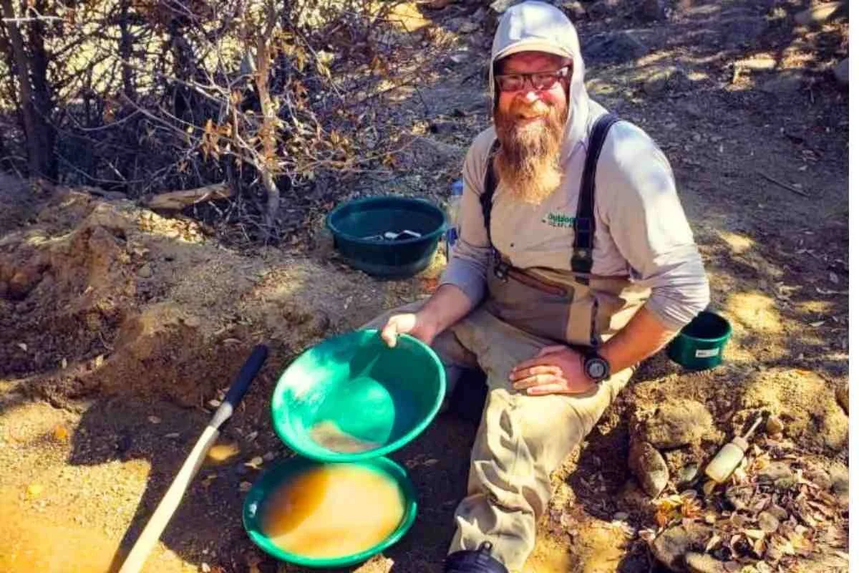
Gold prospecting trips can be exciting, whether you are exploring a quiet river, searching through gravel bars, or visiting a remote area with the hope of finding small gold flakes and nuggets. However, carrying too much equipment can quickly turn an enjoyable adventure into a tiring experience. Choosing lightweight, practical tools makes it easier to travel farther, work comfortably, and spend more time searching for gold.
For beginners and experienced prospectors alike, the goal is to pack equipment that performs well without adding unnecessary weight. A good setup should include tools for separating gold from sediment, carrying water, protecting yourself outdoors, and storing your discoveries. If you are planning your next adventure, exploring specialist equipment from goldplaypots can also help you understand the types of supplies that may suit your prospecting needs.
Why Lightweight Equipment Matters for Gold Prospecting
Gold prospecting often involves walking along riverbanks, crossing uneven ground, or hiking into locations that are far from parking areas. Heavy tools can increase fatigue and make it harder to move safely over rocks, mud, and steep paths.
Lightweight equipment offers several practical benefits:
- Improved mobility: Smaller tools are easier to carry between different prospecting locations.
- Less physical fatigue: A lighter backpack makes longer trips more comfortable.
- Faster setup: Compact equipment is generally easier to unpack, assemble, and store.
- More efficient packing: You can carry essential safety supplies without overloading your bag.
- Greater flexibility: Portable tools allow you to explore multiple locations during a single trip.
The key is to balance weight with durability. An extremely light tool is not necessarily a good choice if it breaks easily or performs poorly in the field.
1. Lightweight Gold Panning Pan
A gold pan is one of the most important tools for traditional gold prospecting. It allows you to separate heavier gold particles from sand, gravel, and other materials using water and controlled movement.
Plastic gold pans are popular because they are lightweight, affordable, and easy to carry. Many models include riffles or textured sections that help retain heavier material during the panning process.
What to Look for in a Gold Pan
Choose a pan that is comfortable to hold and large enough for the amount of material you expect to process. A pan approximately 10 to 14 inches wide can work well for many beginners, although personal preference and local conditions matter.

A pan with contrasting colors can also make small gold flakes easier to see. Green, blue, and black pans are common options.
For backpacking trips, a durable plastic pan is often more practical than a heavy metal alternative. Before leaving home, practice adding water, washing away lighter sediment, and carefully concentrating the remaining material.
2. Compact Classifier or Sifting Screen
A classifier helps separate larger rocks and debris from smaller sediment before you begin panning. This simple step can make the process more manageable, especially when working with gravel containing stones, roots, and other unwanted material.
Compact plastic classifiers are useful for prospectors who want to reduce pack weight. Some models fit inside or stack with a gold pan, saving valuable backpack space.
Choosing the Right Classifier
Look for a screen that fits securely with your pan and has openings appropriate for your preferred prospecting method. Larger openings remove stones quickly, while finer screens can separate smaller particles.
You do not necessarily need several classifiers for a short trip. One appropriately sized screen is often sufficient for beginners.

A classifier is particularly helpful when processing larger quantities of gravel because it reduces the amount of material that must be handled during the panning stage.
3. Lightweight Gold Digging Tools
Digging tools help you collect promising gravel from exposed deposits, cracks, and other accessible locations. However, a full-sized shovel can be inconvenient when hiking long distances.
A compact hand trowel, small digging scoop, or lightweight prospecting shovel can provide enough digging capability for many recreational trips.
Which Digging Tool Should You Pack?
Your choice should depend on the terrain and the type of material you expect to investigate.
- Hand trowel: Suitable for shallow digging and collecting small samples.
- Compact shovel: Useful for moving larger amounts of loose gravel.
- Crevice tool: Helps remove sediment from accessible rock cracks.
- Small scoop: Convenient for transferring material into a classifier or pan.
Choose sturdy construction and a comfortable grip rather than focusing exclusively on minimum weight. Avoid digging into unstable banks or disturbing protected areas, and always check local regulations before removing soil or gravel.
4. Snuffer Bottle and Small Gold Vials
Finding visible gold is exciting, but collecting tiny flakes without losing them can be difficult. A snuffer bottle makes this task easier by using suction to pick up small gold particles from the bottom of a pan.
Most snuffer bottles are lightweight plastic containers that fit easily into a small equipment pouch.
Small storage vials are also useful for keeping recovered material secure. Clear screw-top containers allow you to inspect your finds without opening them repeatedly.
For a simple setup, carry one snuffer bottle and a couple of secure vials. There is usually no need to bring a large collection of storage containers on a short prospecting trip.
5. Portable Gold Paydirt Processing Supplies
Some prospectors prefer processing purchased paydirt at home or at an approved outdoor location rather than collecting natural material from streams. A compact setup can make this activity easier to manage during travel.
Depending on the material, useful supplies may include a gold pan, classifier, small containers, and a waterproof work surface. The exact equipment depends on the quantity and consistency of the paydirt.
When preparing for a trip, organize these supplies in a separate pouch so that they do not become mixed with personal belongings.
Remember that naturally occurring gold deposits and commercially prepared paydirt are different. Equipment suitable for a small sample may not be practical for processing large volumes of material.
6. Compact Backpack With Organized Compartments
Even lightweight equipment becomes difficult to manage when everything is packed loosely. A comfortable backpack helps distribute weight and keeps frequently used tools accessible.
For a short day trip, a small backpack with adjustable shoulder straps and several compartments may be sufficient. Longer outings may require additional room for food, water, clothing, and emergency supplies.
Backpack Features Worth Considering
Look for padded straps, durable zippers, water-resistant material, and pockets that separate wet equipment from dry belongings.
Keep frequently used items, such as your pan and water bottle, in easy-to-reach compartments. Place heavier equipment close to your back and avoid packing unnecessary accessories.
A waterproof dry bag or a few reusable storage bags can protect electronics, documents, and spare clothing if the weather changes.
7. Water Bottle and Basic Hydration Supplies
Water is essential during outdoor prospecting, particularly in warm weather or locations where walking distances are long.
A reusable water bottle is a simple way to carry drinking water without adding excessive weight. For longer trips, consider a hydration bladder or an appropriately sized water container.
Plan your water supply according to the temperature, duration of the trip, availability of safe drinking water, and level of physical activity.
Do not assume that water from a stream is safe to drink simply because it looks clean. If you intend to use natural water sources, bring a suitable treatment method and follow its instructions.
Also remember that prospecting requires water for panning in many locations. Separate your drinking-water plan from your equipment-cleaning or panning-water needs.
8. Lightweight Outdoor Clothing and Sun Protection
Comfortable clothing is just as important as prospecting tools. Riverbanks and exposed gravel bars may have limited shade, while changing weather can make remote locations uncomfortable.
Choose breathable clothing that allows free movement. Quick-drying materials can be useful when conditions are damp, and long sleeves may help protect your skin from sunlight and minor scratches.
Essential personal supplies include:
- A wide-brimmed hat or cap.
- Sunscreen suitable for outdoor use.
- Sunglasses with UV protection.
- Comfortable, grippy footwear appropriate for the terrain.
- A lightweight waterproof jacket.
- Extra socks for longer trips.
Footwear deserves particular attention. Wet rocks, muddy banks, and uneven ground can be slippery, so choose shoes or boots designed for the conditions you expect to encounter.
9. Small First-Aid Kit and Navigation Tools
Safety supplies should remain part of your equipment list, even when your main goal is to keep your backpack light.
A compact first-aid kit can help you manage minor cuts, blisters, and scrapes. Include any personal essentials you may need and check the contents before each trip.
Navigation tools are equally important when exploring unfamiliar locations. A fully charged phone with offline maps can be helpful, but mobile coverage may be unreliable in remote areas.
Depending on the location, consider carrying a paper map, compass, power bank, whistle, and flashlight or headlamp.
Tell someone where you plan to go and when you expect to return. For remote trips, check the weather forecast and avoid entering flooded waterways, unstable terrain, or areas affected by dangerous conditions.
10. Optional Metal Detector for Finding Gold
A metal detector can be useful for prospectors who want to search for larger gold pieces or investigate suitable ground beyond traditional panning areas. However, it is not essential for every trip.
Gold-specific detectors vary in weight, operating method, sensitivity, and suitability for different soil conditions. Some are designed for highly mineralized ground, while others are better suited to general metal detecting.
Before investing in a detector, consider your experience, budget, expected terrain, and the type of gold you hope to find.
For beginners, learning basic panning techniques may be a more affordable starting point. You can add a detector later if your interests and experience justify the extra equipment.
Metal detecting also requires attention to local rules. Permission from the landowner, mining restrictions, environmental protections, and cultural heritage laws may limit where detecting is allowed.
How to Pack Your Gold Prospecting Equipment Efficiently
Packing strategically can save time and make your trip more enjoyable. Start by laying out every item you plan to bring. Separate essential tools from optional accessories and remove anything you are unlikely to use.
Group small items together in labeled pouches. Keep digging tools secure, protect sharp edges, and store recovered gold in closed containers.
Before leaving, review your route, weather conditions, drinking-water needs, and any local restrictions.
For additional outdoor safety guidance, the National Park Service explains the principles of minimizing environmental impact during outdoor activities. These practices are useful when planning responsible prospecting trips, particularly in natural areas.
Conclusion
The best lightweight equipment for gold prospecting trips is practical, durable, and suited to the terrain. A plastic gold pan, compact classifier, small digging tool, snuffer bottle, secure storage vials, and organized backpack can provide a solid starting setup.
Drinking water, suitable clothing, navigation tools, and first-aid supplies are equally important because a successful outing should be safe as well as enjoyable.
Start with the essentials instead of buying every available accessory. As you gain experience, you can adjust your equipment based on the locations you visit, the material you process, and the prospecting methods you prefer. With thoughtful preparation and responsible outdoor practices, you can spend less time managing your gear and more time enjoying the search for gold.