


Many people are surprised to learn that having a period does not always mean that ovulation occurred. If you are asking, “Why am I not ovulating but having periods?” the short answer is that menstrual bleeding and ovulation are two different events.
A person can sometimes have bleeding that looks like a normal period even when an egg was not released from the ovary. This is called an anovulatory cycle. Anovulation can happen occasionally, or it can happen repeatedly because of an underlying hormonal, metabolic, reproductive, or lifestyle-related issue.
Regular periods usually suggest that ovulation is happening, but they do not prove it in every situation. The American Society for Reproductive Medicine notes that ovulatory problems can sometimes occur even in people who appear to have regular menstrual cycles.
This article explains why you may have periods without ovulating, what symptoms to watch for, how doctors test for ovulation, possible causes, and what you can do next.
What Does Ovulation Mean?
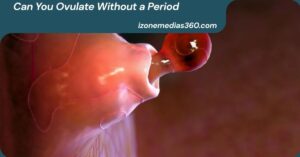
Ovulation is the release of a mature egg from an ovary.
During a typical menstrual cycle, hormones communicate between the brain, pituitary gland, and ovaries. A group of hormones helps a follicle grow inside an ovary. The follicle contains an immature egg.
As the follicle develops, estrogen levels rise. Eventually, a rise in luteinizing hormone, often called LH, triggers ovulation. The mature egg is released from the ovary.
After ovulation, the follicle changes into a structure called the corpus luteum. The corpus luteum produces progesterone, a hormone that helps prepare the lining of the uterus for a possible pregnancy.

If pregnancy does not occur, hormone levels eventually fall. The uterine lining is shed, causing menstrual bleeding.
This means that ovulation and menstruation are connected, but they are not the same thing.

Can You Have a Period Without Ovulating?
Yes. You can have menstrual-like bleeding without ovulating.
When ovulation does not happen, the bleeding may technically be anovulatory bleeding rather than a true menstrual period caused by the normal hormonal pattern after ovulation.
The uterine lining can still build up under the influence of estrogen. If the hormonal support changes, the lining can become unstable and shed. This can produce bleeding that looks similar to a regular period.
This is one reason why looking only at bleeding dates cannot always confirm ovulation.

For many people with predictable cycles, regular periods are a useful sign that ovulation is probably occurring. ASRM states that a normal menstrual history can often be enough to indicate an ovulatory pattern. However, ovulatory dysfunction can occasionally be present even in people with apparently regular cycles.
Why Am I Not Ovulating but Having Periods?
There are several possible reasons for not ovulating despite having bleeding.
Common causes include:
- Polycystic ovary syndrome, or PCOS
- Thyroid problems
- High prolactin levels
- Major weight loss or weight gain
- Very low body weight
- Significant stress
- Excessive exercise
- Certain medications
- Hormonal changes during perimenopause
- Problems involving the hypothalamus or pituitary gland
- Primary ovarian insufficiency
- Certain chronic health conditions
- Temporary hormonal changes
Sometimes there is no obvious reason for one isolated anovulatory cycle.
The important point is that one unusual cycle does not automatically mean that you have a fertility problem or a serious medical condition.
Repeated anovulation, however, deserves medical evaluation.
What Is an Anovulatory Cycle?
An anovulatory cycle is a menstrual cycle in which ovulation does not occur.
During an anovulatory cycle, the ovaries do not release an egg. Because an egg is not released, the normal post-ovulation rise in progesterone does not occur.
However, estrogen may still stimulate the uterine lining. Eventually, changes in hormone levels can cause bleeding.
The bleeding can sometimes look completely normal.
In other cases, it may be:
- Heavier than usual
- Lighter than usual
- Longer than usual
- Irregular
- More frequent
- Delayed
- More unpredictable
ASRM notes that sporadic anovulatory cycles can occur in people who menstruate regularly, although repeated ovulatory problems require attention to the underlying cause.
Is It Normal to Have an Anovulatory Cycle Occasionally?
An occasional anovulatory cycle can happen.
Your reproductive hormones are influenced by many factors. Stress, illness, major changes in body weight, intense physical activity, and other temporary changes can affect the normal hormone signals involved in ovulation.
A single cycle without ovulation is generally different from persistent anovulation.
If your cycles are normally predictable and you suddenly have one unusual month, it may not indicate a long-term problem.
However, if you repeatedly suspect that you are not ovulating, especially if you are trying to become pregnant, talking with an OB-GYN or fertility specialist is appropriate.
Can You Have Regular Periods and Still Not Ovulate?
Yes, although regular cycles make ovulation more likely.
Regular cycles between about 21 and 35 days are commonly considered typical for adults.
A predictable cycle suggests that your reproductive hormones are following a relatively organized pattern. Still, cycle timing alone cannot guarantee that an egg was released during every cycle.
This distinction becomes especially important when someone is:
- Trying to conceive
- Using ovulation predictor kits
- Tracking basal body temperature
- Experiencing signs of hormonal imbalance
- Having symptoms associated with PCOS
- Having unexplained infertility
If there is uncertainty, a healthcare professional can use appropriate testing to determine whether ovulation is occurring.
Can You Have a Period Without Ovulating and Still Get Pregnant?
Pregnancy requires ovulation because an egg must be released for fertilization to occur.
If you do not ovulate during a particular cycle, pregnancy cannot result from that cycle because there is no egg available for fertilization.
However, anovulation may not occur every month.
For example, a person might ovulate during some cycles but not others. In that situation, pregnancy may still be possible, although predicting the fertile window can become more difficult.
If you have repeated anovulation and are trying to conceive, treatment can sometimes help restore or induce ovulation depending on the underlying cause.
Common Cause: Polycystic Ovary Syndrome
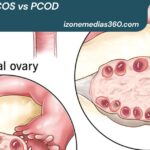
Polycystic ovary syndrome, commonly called PCOS, is one of the most important conditions to consider when someone has problems with ovulation.
PCOS is a hormonal and metabolic condition that can affect menstrual cycles, ovulation, fertility, and androgen levels.
Not everyone with PCOS has the same symptoms.
Possible signs include:
- Irregular periods
- Infrequent periods
- Unpredictable bleeding
- Difficulty becoming pregnant
- Increased facial or body hair
- Acne
- Oily skin
- Certain changes in body weight
- Darkened, thickened skin in some areas
ACOG identifies irregular periods and infertility as common features of PCOS and notes that people with PCOS may not ovulate regularly.
Importantly, having regular periods does not completely rule out PCOS.
If you have signs of excess androgens, such as unwanted facial hair or persistent acne, while also having concerns about ovulation, your doctor may consider PCOS as part of the evaluation.
Thyroid Problems Can Affect Ovulation
Your thyroid gland helps regulate many processes throughout the body, including reproductive function.
Both an underactive thyroid and other thyroid disorders can interfere with normal menstrual and ovulatory patterns.
Possible thyroid-related symptoms can include:
- Fatigue
- Changes in body weight
- Feeling unusually cold or hot
- Changes in heart rate
- Dry skin
- Hair changes
- Mood changes
- Menstrual changes
Thyroid testing is commonly considered when a healthcare professional is investigating ovulatory dysfunction or menstrual abnormalities.
Treating an underlying thyroid condition may help restore more normal reproductive function.
High Prolactin Can Stop Ovulation
Prolactin is a hormone made by the pituitary gland.
Its normal role includes supporting breast milk production after childbirth. However, unusually high prolactin levels can interfere with reproductive hormone signals.
High prolactin may cause:
- Irregular periods
- Missing periods
- Ovulation problems
- Breast milk production when not breastfeeding
- Difficulty becoming pregnant
Prolactin testing is not necessary for every person undergoing fertility evaluation, but ASRM recommends considering it when symptoms such as irregular or absent periods or inappropriate milk production are present.
Stress May Affect Ovulation
Stress can affect the brain signals that control reproductive hormones.
The hypothalamus plays an important role in communication between the brain and reproductive system. Significant physical or emotional stress can interfere with these signals.
Stress-related ovulatory problems may occur alongside:
- Major life changes
- Poor sleep
- Significant anxiety
- Very intense exercise
- Major calorie restriction
- Rapid weight loss
- Other forms of physical stress
This does not mean that every missed ovulation is “just stress.”
Persistent or significant menstrual changes should not automatically be blamed on stress. A healthcare professional can help determine whether another cause needs to be investigated.
Weight Changes Can Affect Ovulation
Large changes in body weight can influence reproductive hormones.
Rapid weight loss, very low calorie intake, or being significantly underweight can interfere with the hormone signals needed for ovulation.
Weight gain and obesity can also be associated with ovulatory dysfunction.
The goal is not to assume that a particular body size automatically causes an ovulation problem. Reproductive health is influenced by multiple factors, and people at different body weights can experience ovulatory disorders.
If you have recently experienced a major change in weight and your ovulation appears to have changed, tell your healthcare professional.
Too Much Exercise Can Affect Ovulation
Regular physical activity is generally beneficial for health.
However, very intense exercise combined with inadequate calorie intake can interfere with reproductive hormone signaling.
This can occur in people who participate in:
- Endurance sports
- Intensive athletic training
- High-volume exercise programs
- Competitive sports
- Other demanding physical activities
The risk can be higher when exercise is combined with significant calorie restriction or rapid weight loss.
The goal is not to stop exercising. Instead, adequate nutrition, recovery, and medical guidance are important when menstrual or ovulatory changes develop.
Perimenopause Can Cause Ovulation Changes
As a person approaches menopause, ovarian hormone patterns can become less predictable.
This transition is called perimenopause.
During perimenopause, someone may continue having periods but ovulate less consistently.
Possible changes include:
- Shorter cycles
- Longer cycles
- Heavier bleeding
- Lighter bleeding
- Skipped periods
- Hot flashes
- Sleep problems
- Mood changes
Ovulation becomes less predictable as ovarian function changes.
If menstrual changes begin earlier than expected or are significant, medical evaluation is useful because several other conditions can produce similar symptoms.
Primary Ovarian Insufficiency Is Another Possible Cause
Primary ovarian insufficiency, or POI, occurs when the ovaries stop functioning normally before age 40.
It is different from typical menopause.
POI can cause:
- Irregular periods
- Missed periods
- Ovulation problems
- Infertility
- Symptoms related to low estrogen
Because low estrogen can affect bone health and other aspects of health, early evaluation is important when significant menstrual changes occur in younger people.
POI is not the most common explanation for every case of irregular ovulation, but it is one condition healthcare professionals may consider when the pattern fits.
Medications and Hormonal Birth Control Can Affect Ovulation
Some medications can affect reproductive hormones.
Hormonal birth control is specifically designed to prevent pregnancy through mechanisms that may include suppressing ovulation.
Bleeding while using hormonal contraception does not necessarily mean that natural ovulation occurred.
Depending on the method, the bleeding may be withdrawal bleeding, breakthrough bleeding, or another form of hormonal bleeding.
If you use birth control and are concerned about whether you are ovulating, tell your healthcare professional exactly which method you use.
Do not stop prescribed medication simply because you are concerned about ovulation. Discuss changes with your healthcare provider first.
How Can I Tell If I Am Ovulating?
It can be difficult to know with certainty based only on symptoms.
Some common ways people try to track ovulation include:
- Menstrual cycle tracking
- Ovulation predictor kits
- Cervical mucus observations
- Basal body temperature tracking
- Blood progesterone testing
- Ultrasound monitoring
Each method has advantages and limitations.
Menstrual Cycle Tracking
Tracking your period can help you understand your cycle pattern.
Write down:
- The first day of bleeding
- How many days bleeding lasts
- Changes in flow
- Cycle length
- Unusual spotting
- Other recurring symptoms
A consistent cycle pattern can provide useful information to your doctor.
However, tracking periods alone cannot prove that ovulation occurred.
Ovulation Predictor Kits
Ovulation predictor kits detect LH in urine.
An LH surge generally occurs shortly before ovulation. ASRM explains that urine LH testing provides indirect evidence that ovulation may be approaching, usually within about one to two days.
However, an LH surge does not always guarantee that ovulation actually happened.
Some people may have misleading results.
For example, people with PCOS may have higher baseline LH levels, which can contribute to false-positive ovulation tests.
Basal Body Temperature
Basal body temperature is the body’s resting temperature.
Some people track it every morning before getting out of bed.
After ovulation, progesterone can cause a small increase in resting body temperature.
A sustained temperature shift may suggest that ovulation occurred.
However, basal body temperature can be affected by:
- Poor sleep
- Illness
- Alcohol
- Travel
- Different wake times
- Room temperature
- Stress
Therefore, it is not always a reliable way to confirm ovulation by itself.
Progesterone Blood Test
Progesterone rises after ovulation.
A blood test can therefore provide evidence that ovulation occurred.
ASRM states that progesterone testing is most useful when timed appropriately, generally about one week before the expected next period rather than automatically on “day 21.” A progesterone level above 3 ng/mL provides presumptive evidence of recent ovulation.
Timing matters because progesterone changes during the cycle.
A single progesterone result also does not provide a complete picture of fertility or prove that the luteal phase is “perfect.”
Ultrasound Monitoring
A healthcare professional can sometimes use transvaginal ultrasound to observe follicle development and other changes in the ovaries.
In fertility care, ultrasound may be used to monitor follicle growth and help determine whether ovulation is occurring.
This is more detailed than simply tracking a period.
What Tests Can a Doctor Use to Find the Cause?
The tests depend on your symptoms, age, cycle pattern, medical history, medications, and pregnancy goals.
A healthcare professional may consider:
- Pregnancy testing
- Thyroid-stimulating hormone, or TSH
- Prolactin when indicated
- FSH
- Estradiol
- Other hormone tests when appropriate
- Androgen testing when PCOS or another androgen-related condition is suspected
- Pelvic ultrasound
- Progesterone testing
- Additional testing based on symptoms
ASRM emphasizes that evaluation should focus on finding the reason for ovulatory dysfunction rather than simply repeating ovulation tests without looking for the underlying cause.
Why a Pregnancy Test May Still Be Important
If your period or bleeding pattern has changed and pregnancy is possible, pregnancy should generally be ruled out before assuming the problem is anovulation.
Early pregnancy can sometimes involve bleeding that may be mistaken for a period.
A home pregnancy test can provide useful information, although timing affects accuracy.
If you have unusual bleeding along with a positive pregnancy test, severe pain, dizziness, fainting, or other concerning symptoms, seek medical care promptly.
What Does Anovulation Feel Like?
Anovulation may cause no obvious symptoms.
That is one reason it can be difficult to identify without testing.
Possible clues include:
- Irregular periods
- Unusually long cycles
- Very short cycles
- Unpredictable bleeding
- Changes in menstrual flow
- Difficulty becoming pregnant
- Lack of expected ovulation signs
- Hormonal symptoms
However, having none of these symptoms does not guarantee ovulation.
Some people with ovulatory dysfunction continue to have relatively regular bleeding.
Can Anovulation Cause Heavy Periods?
Yes.
When ovulation does not occur, the usual progesterone pattern after ovulation is missing.
Estrogen may continue stimulating the uterine lining. Over time, the lining may become unstable and shed irregularly.
The resulting bleeding can sometimes be heavy or prolonged.
ACOG advises evaluation when bleeding lasts longer than seven days, periods occur more often than every 21 days, occur less often than every 45 days, or when periods are more than 90 days apart.
Very heavy bleeding can also cause anemia and should not be ignored.
When Is Bleeding Considered Too Heavy?
Seek medical advice if you experience unusually heavy menstrual bleeding.
Examples include:
- Needing to change a pad or tampon very frequently
- Bleeding through clothing or bedding
- Passing unusually large clots
- Bleeding for more than seven days
- Feeling unusually weak or tired
- Feeling dizzy or faint
ACOG specifically advises evaluation when someone needs to change a pad or tampon more than once every one to two hours or feels dizzy or faint.
Emergency care may be appropriate when bleeding is severe and you feel faint, weak, short of breath, or otherwise seriously unwell.
Does Not Ovulating Mean You Are Infertile?
No.
Anovulation and infertility are related, but they are not the same thing.
If you do not ovulate consistently, becoming pregnant can be more difficult because there may be fewer opportunities for an egg to be fertilized.
But many causes of ovulatory dysfunction can be treated or managed.
For example, treatment may focus on:
- Improving an underlying thyroid disorder
- Treating high prolactin when appropriate
- Addressing PCOS
- Restoring adequate nutrition
- Adjusting excessive exercise
- Managing an underlying medical condition
- Using ovulation-inducing medication when appropriate
The treatment depends on the reason for anovulation.
What Happens If You Are Trying to Get Pregnant?
If you are trying to conceive and suspect that you are not ovulating, consider speaking with an OB-GYN or reproductive endocrinology and infertility specialist.
Your doctor may first determine whether ovulation is actually occurring.
If anovulation is confirmed, the next step is identifying the cause.
Depending on the diagnosis, treatment can sometimes stimulate ovulation.
Medication used for ovulation induction should be prescribed and monitored by a qualified healthcare professional. Fertility medications can have risks, and the appropriate treatment depends on the person’s health and diagnosis.
ASRM recognizes ovulation induction as an established treatment approach for selected people with anovulatory infertility.
How Long Should You Try Before Seeking Fertility Help?
The appropriate timing depends on age, medical history, cycle pattern, and other factors.
You do not necessarily need to wait a full year if you already have a known or suspected ovulation problem.
For example, if your periods are consistently irregular or you have strong reasons to suspect anovulation, an earlier evaluation may be appropriate.
If your cycles are regular and there are no known fertility problems, standard fertility guidance may differ based on age and circumstances.
A healthcare professional can give personalized advice rather than relying on a one-size-fits-all timeline.
What Can You Do at Home?
There are several practical steps that can help you understand your cycle.
Track Your Periods
Record the first day of each period and the number of days between periods.
This can help reveal whether your cycles are actually regular.
Record Other Symptoms
You can also note:
- Changes in cervical mucus
- Breast tenderness
- Pelvic discomfort
- Spotting
- Changes in bleeding
- Ovulation test results
- Basal temperature patterns
Bring this information to your healthcare appointment if you are concerned.
Eat Enough Food
Severe calorie restriction can interfere with reproductive hormone signaling.
A balanced diet with enough calories and nutrients supports overall health.
If you have experienced rapid weight loss or have difficulty maintaining adequate nutrition, discuss this with a healthcare professional.
Avoid Extreme Exercise
Exercise is beneficial, but excessive training combined with inadequate recovery or nutrition may interfere with ovulation.
If your periods changed after starting an intense exercise program, tell your doctor.
Manage Stress and Sleep
Stress and poor sleep can affect overall health and may contribute to hormonal changes.
Healthy sleep, regular meals, physical activity, and stress-management strategies can support general well-being.
However, these steps should not replace medical evaluation when symptoms persist.
What You Should Not Assume About Anovulation
Several common beliefs about periods and ovulation are misleading.
“I Bleed Every Month, So I Must Ovulate Every Month.”
Not necessarily.
Regular bleeding is reassuring, but it does not absolutely prove ovulation.
“An Ovulation Test Was Positive, So I Definitely Ovulated.”
Not always.
An LH surge suggests that the body is preparing for ovulation, but it is indirect evidence. Some people can experience an LH surge without successful ovulation.
“I Cannot Get Pregnant If My Periods Are Irregular.”
Irregular ovulation can make pregnancy less predictable, but pregnancy can still occur if ovulation happens unexpectedly.
“Anovulation Always Means PCOS.”
No.
PCOS is one common cause, but thyroid problems, prolactin abnormalities, weight changes, excessive exercise, stress, perimenopause, ovarian conditions, and other causes can also affect ovulation.
“I Need Every Hormone Test.”
Not necessarily.
The right tests depend on your symptoms and history. Medical evaluation should be targeted rather than based on ordering every available hormone test.
When Should You See an OB-GYN?
Make an appointment if you repeatedly think you are not ovulating, especially if you also have:
- Irregular periods
- Very long or very short cycles
- Unusually heavy bleeding
- Repeated skipped periods
- Difficulty becoming pregnant
- New facial hair growth
- Persistent acne
- Unexpected breast milk production
- Major changes in weight
- Significant exercise changes
- Symptoms of thyroid disease
- Menstrual changes before age 40
ACOG recommends evaluation when periods stop for three months without an explanation.
Earlier evaluation can be appropriate when there are other concerning symptoms or when pregnancy is a goal.
When Is It an Emergency?
Not ovulating itself is generally not an emergency.
However, the symptoms associated with menstrual or reproductive problems can sometimes require urgent care.
Seek urgent medical attention for symptoms such as:
- Severe pelvic or abdominal pain
- Very heavy bleeding
- Fainting
- Severe dizziness
- Weakness associated with heavy bleeding
- A positive pregnancy test with significant pain or bleeding
- Symptoms that make you feel seriously ill
These symptoms can have causes that need prompt evaluation.
Why Diagnosis Matters
The most useful question is often not simply, “Am I ovulating?”
The more important question is:
“Why might I not be ovulating?”
For example, the treatment for thyroid disease is different from the treatment for PCOS. Treatment for low energy availability related to excessive exercise is different from treatment for ovarian insufficiency.
This is why repeatedly checking ovulation without investigating the underlying cause may not solve the problem.
A proper evaluation can connect your cycle history with your symptoms, medical history, medications, physical findings, and appropriate laboratory or imaging tests.
A Simple Way to Understand Your Menstrual Cycle
Think of the menstrual cycle as a sequence of hormonal events.
First, follicles begin developing in the ovary.
Next, one follicle usually becomes dominant.
Estrogen rises as the follicle develops.
Then an LH surge occurs.
Ovulation follows.
After ovulation, progesterone rises.
If pregnancy does not occur, progesterone and estrogen eventually fall.
The uterine lining sheds.
That is the typical sequence.
In an anovulatory cycle, the sequence is disrupted because the egg is not released.
The uterine lining can still respond to hormones, so bleeding may occur even without ovulation.
This explains why “having a period” and “ovulating” should not be treated as exactly the same event.
Does Having Regular Periods Mean Your Fertility Is Normal?
Regular periods are generally a positive sign, but fertility involves more than ovulation.
Pregnancy depends on several factors, including:
- Ovulation
- Egg quality
- Sperm health
- Fallopian tube function
- Uterine health
- Timing
- Age
- Other reproductive and medical factors
Therefore, regular periods do not guarantee pregnancy.
Likewise, one unusual cycle does not automatically mean that you have a fertility problem.
Can Anovulation Be Treated?
In many cases, yes.
Treatment depends on the underlying cause.
Possible approaches may include treating a thyroid disorder, addressing high prolactin, managing PCOS, improving nutritional intake, adjusting excessive exercise, treating another medical condition, or using fertility medication when pregnancy is desired.
Some people may need medication that helps stimulate ovulation.
Others may not need ovulation medication at all because correcting the underlying condition may allow natural ovulation to return.
This is why self-treatment is not recommended.
What Does the Future Look Like?
The outlook for anovulation varies greatly.
A temporary anovulatory cycle may resolve without treatment.
When anovulation is caused by an identifiable condition, treating that condition may improve ovulatory function.
PCOS, for example, can cause irregular ovulation but does not automatically prevent pregnancy. ACOG notes that treatments are available for people with PCOS who want to become pregnant.
The key is identifying the specific cause instead of assuming that all anovulation is the same.
Frequently Asked Questions
1. Can I ovulate without noticing any symptoms?
Yes. Many people do not feel ovulation or experience obvious physical symptoms. Ovulation symptoms can be subtle or absent, so the lack of noticeable symptoms does not mean that ovulation did not occur.
Likewise, having symptoms such as pelvic discomfort or changes in cervical mucus does not prove that ovulation occurred.
If confirming ovulation is important, a healthcare professional can recommend an appropriate testing method.
2. Can an ultrasound show whether I ovulated?
Ultrasound can provide useful information about follicle development and ovarian changes, especially when performed at different points in the cycle.
In fertility treatment, healthcare professionals may use ultrasound monitoring to observe follicle growth and changes associated with ovulation.
However, the usefulness of an ultrasound depends on when it is performed and what the healthcare professional is looking for.
3. Can hormonal birth control make me bleed even when I do not ovulate?
Yes.
Many hormonal contraceptive methods work partly or primarily by preventing ovulation. Bleeding while using hormonal birth control does not necessarily mean that natural ovulation occurred.
The type of bleeding can depend on the contraceptive method and how your body responds to the hormones.
If you are trying to understand your natural ovulation pattern, tell your healthcare professional which contraceptive method you are using.
4. Can anovulation cause low progesterone?
Yes.
Progesterone normally rises after ovulation because the corpus luteum produces it.
If ovulation does not occur, the normal post-ovulation progesterone rise does not occur.
However, one progesterone measurement should be interpreted carefully. Progesterone levels naturally fluctuate, and a single result cannot answer every question about reproductive health. ASRM notes that progesterone is useful for confirming recent ovulation when measured appropriately, but it should not be used alone to judge overall fertility or luteal-phase quality.
5. Can you have an anovulatory cycle and then ovulate normally the next month?
Yes.
Anovulation does not necessarily happen in every cycle.
A person may have one cycle without ovulation and then return to their usual ovulatory pattern. Temporary factors such as illness, stress, major changes in weight, intense exercise, or other hormonal changes may contribute.
If anovulation repeatedly occurs, however, it is important to investigate the underlying cause.
Conclusion
If you are asking, “Why am I not ovulating but having periods?” the most important thing to understand is that menstrual bleeding and ovulation are separate parts of the reproductive cycle.
It is possible to experience bleeding without releasing an egg. This can happen occasionally, but repeated anovulation may point to an underlying issue such as PCOS, thyroid dysfunction, elevated prolactin, major changes in weight, excessive exercise, significant stress, perimenopause, primary ovarian insufficiency, medication effects, or another hormonal condition.
Regular cycles are generally a reassuring sign, but they cannot always prove that ovulation happened during every cycle.
If you are concerned about ovulation, keeping a record of your cycles and discussing your concerns with an OB-GYN can be a useful first step. Depending on your situation, your healthcare professional may use menstrual history, ovulation testing, progesterone testing, blood tests, or ultrasound to better understand what is happening.
If pregnancy is your goal, do not assume that suspected anovulation means you cannot become pregnant. Many causes of ovulatory dysfunction can be treated or managed, and the best treatment depends on the underlying cause.
Most importantly, avoid diagnosing yourself based on bleeding alone. Understanding why ovulation may not be occurring is more useful than simply trying to determine whether a particular period “counts.” A proper medical evaluation can help identify the cause and guide the safest next step.