



Trying to become pregnant after age 40 can bring many questions. You may wonder whether you should see a fertility specialist, what tests you may need, which treatments are available, how age affects fertility, and how to choose the right doctor.
The good news is that turning 40 does not automatically mean pregnancy is impossible. Many women over 40 become pregnant and have healthy babies. However, fertility changes with age, so getting expert advice earlier can be especially valuable.
A fertility specialist for women over 40 can help evaluate your reproductive health, explain your options, identify possible problems, and create a treatment plan based on your individual situation.
This guide explains what to look for in a fertility specialist, what usually happens during an evaluation, which fertility treatments may be considered, what questions to ask, and how to make informed decisions.
What Is a Fertility Specialist for Women Over 40?
A fertility specialist is a doctor who has additional training in reproductive medicine and infertility. In the United States, many fertility specialists are obstetrician-gynecologists who complete fellowship training in reproductive endocrinology and infertility (REI).
For women over 40, a fertility specialist can provide more specialized evaluation because reproductive age is an important factor in fertility.
The American Society for Reproductive Medicine (ASRM) states that female age is the single most important predictor of fecundity, meaning the ability to become pregnant. ASRM also notes that women older than 40 may benefit from more immediate fertility evaluation and treatment rather than waiting for a long period.
A specialist may evaluate:

- Ovarian reserve
- Ovulation
- Menstrual cycles
- Uterine health
- Fallopian tube function
- Endometriosis
- Fibroids
- Previous pregnancy history
- Recurrent pregnancy loss
- Other medical conditions
- Sperm health when a partner is involved
- Genetic considerations
- Previous fertility treatments
The goal is not simply to order as many tests as possible. A good specialist uses your age, medical history, reproductive goals, test results, and previous treatment history together.

Why Fertility Changes After 40
Female fertility declines gradually with age, but the decline becomes more important during the late 30s and early 40s.
ASRM reports that relative fertility is about half at age 40 compared with women in their late 20s and early 30s. Aging is also associated with lower chances of pregnancy and live birth and a higher risk of miscarriage and chromosome abnormalities.
One important reason is the changing number and quality of eggs.
A woman is born with her lifetime supply of oocytes, commonly called eggs. Over time, the number of available eggs decreases. Age also affects egg quality.
This creates an important distinction:

- Ovarian reserve mainly refers to the number of eggs remaining.
- Egg quality refers to the likelihood that an egg can produce a healthy embryo and eventually a live birth.
These are not the same thing.
Ovarian reserve tests can provide useful information, particularly when planning fertility treatment, but they cannot completely measure egg quality or predict pregnancy on their own. ASRM specifically notes that ovarian reserve markers are poor predictors of reproductive potential when considered independently from age.
This is one reason a fertility specialist should interpret test results in the context of your entire medical picture.
When Should a Woman Over 40 See a Fertility Specialist?
One of the most important questions is whether you should wait before seeking help.
For women younger than 35, infertility evaluation is commonly considered after 12 months of trying to become pregnant. For women aged 35 and older, evaluation is generally recommended after six months. For women over 40, ASRM states that more immediate evaluation and treatment may be warranted.
Therefore, if you are over 40 and want to become pregnant, it is reasonable to schedule a fertility consultation early.
You do not necessarily have to wait six months.
Earlier evaluation may be particularly important if you have:
- Irregular or absent periods
- Very short menstrual cycles
- Endometriosis
- Fibroids
- Previous pelvic surgery
- Previous chemotherapy or radiation
- Previous fertility problems
- Recurrent pregnancy loss
- Known ovarian problems
- A history of early menopause in your family
- A known sperm-related fertility issue
- A medical condition that may affect fertility
ASRM recommends evaluation without delay when there is already a medical condition or history associated with infertility.
What Type of Fertility Doctor Should You Choose?
When searching for a fertility specialist for women over 40, consider looking for a reproductive endocrinologist and infertility specialist, often called an REI specialist.
An REI specialist has focused training in reproductive hormones, infertility, fertility treatments, and related reproductive conditions.
Depending on your situation, you may also work with:
- An OB-GYN
- A maternal-fetal medicine specialist
- A genetic counselor
- A reproductive urologist
- An embryologist
- A fertility nurse
- A mental health professional
- A primary care physician
These professionals may work together as part of a larger fertility care team.
How to Find a Fertility Specialist for Women Over 40
Finding the right doctor is about more than searching for the clinic with the highest advertised success rate.
Start by checking whether the doctor is appropriately trained and credentialed.
1. Look for reproductive endocrinology and infertility training
An REI specialist is generally the most appropriate type of doctor for a detailed infertility evaluation and advanced fertility treatment.
2. Check the fertility clinic’s experience
Ask whether the clinic regularly treats patients in their 40s.
This matters because fertility treatment can vary significantly depending on age and individual circumstances.
3. Review clinic success data carefully
U.S. fertility clinics report assisted reproductive technology outcomes to the Centers for Disease Control and Prevention (CDC). The CDC provides clinic-specific and national ART success information.
Do not judge a clinic based only on one percentage shown in an advertisement.
Ask:
- Is the percentage based on pregnancy or live birth?
- Is it based on one embryo transfer or an entire treatment cycle?
- Does it include patients in your age group?
- Does it include donor eggs?
- How does the clinic define success?
- How many patients in your age group were included?
A clinic’s overall success rate may not represent your personal probability of success.
4. Consider communication style
Fertility treatment can involve difficult decisions. You should feel comfortable asking questions.
A good doctor should explain:
- What your test results mean
- What they do not mean
- Which treatments may help
- Which treatments may have limited value
- Expected benefits
- Possible risks
- Costs
- Alternatives
- How long you should try each approach
5. Ask about the complete care team
A fertility clinic may include physicians, nurses, laboratory staff, financial counselors, genetic counselors, and other professionals.
Understanding who will coordinate your care can make the process easier.
What Happens During a Fertility Evaluation After 40?
A fertility evaluation usually begins with a detailed medical and reproductive history.
Your doctor may ask about:
- Age
- Menstrual cycle length
- Period regularity
- Previous pregnancies
- Previous miscarriages
- Previous fertility treatments
- Surgeries
- Medical conditions
- Medications
- Family history
- Lifestyle factors
- Previous contraception
- Possible reproductive disorders
If you have a partner providing sperm, a parallel evaluation may be recommended. ASRM states that infertility evaluation should include semen evaluation when applicable because male factors can contribute to infertility.
The evaluation may then include blood tests, ultrasound, and other tests depending on your situation.
Common Fertility Tests for Women Over 40
Ovarian Reserve Testing
Ovarian reserve testing may be used to estimate how the ovaries are likely to respond to fertility medication.
Common tests include:
- Anti-Müllerian hormone (AMH)
- Follicle-stimulating hormone (FSH)
- Estradiol
- Antral follicle count (AFC)
AMH can generally be measured at different points in the menstrual cycle. FSH and estradiol are commonly measured early in the menstrual cycle. Antral follicle count is measured using ultrasound.
These tests can help a doctor plan treatment, but they should not be interpreted as a simple “fertility score.”
For example, a low AMH result does not automatically mean pregnancy is impossible.
ASRM states that diminished ovarian reserve does not necessarily mean that a woman cannot conceive.
Transvaginal Ultrasound
An ultrasound may allow the fertility specialist to evaluate:
- Ovaries
- Antral follicles
- Uterine structure
- Fibroids
- Ovarian cysts
- Endometrial lining
- Other pelvic findings
Ultrasound can be an important part of the overall fertility evaluation.
Fallopian Tube Testing
A fertility specialist may recommend a test to determine whether the fallopian tubes are open.
Two commonly used approaches are:
- Hysterosalpingography (HSG)
- Sonohysterography (SHG), depending on the clinical situation
ASRM lists HSG or SHG as recommended methods for evaluating tubal patency.
Semen Analysis
If pregnancy is being attempted with a male partner, semen analysis may be recommended.
This is important because infertility is not always caused by a problem with the woman’s reproductive system.
Evaluating both partners can prevent unnecessary delays and help doctors choose an appropriate treatment strategy.
Does AMH Tell You If You Can Get Pregnant After 40?
This is one of the most common questions.
The short answer is no.
AMH is useful, but it is not a complete fertility test.
AMH can provide information about ovarian reserve and may help predict how many eggs the ovaries could produce during ovarian stimulation. However, it is not a direct measure of egg quality.
ASRM emphasizes that ovarian reserve tests should be used as an addition to the overall fertility evaluation rather than as a replacement for age-based counseling.
This means two women with similar AMH results may have very different fertility experiences.
Age, medical history, ovarian response, sperm factors, uterine health, and other factors all matter.
Can You Still Get Pregnant Naturally After 40?
Yes.
Some women conceive naturally after 40.
However, the chance of conception generally declines with age, and the risk of miscarriage and chromosome abnormalities increases.
This does not mean every woman over 40 needs IVF.
The appropriate approach depends on factors such as:
- Age
- Menstrual regularity
- Ovarian reserve
- Duration of trying
- Previous pregnancies
- Sperm health
- Tubal health
- Uterine health
- Other medical conditions
For some women, trying naturally for a short period may be reasonable. For others, moving quickly to fertility treatment may make more sense.
That decision should be individualized with a qualified fertility specialist.
Fertility Treatment Options for Women Over 40
There is no single best fertility treatment for every woman.
Possible treatments include:
- Timed intercourse
- Ovulation medications
- Intrauterine insemination (IUI)
- In vitro fertilization (IVF)
- IVF using a woman’s own eggs
- Donor-egg treatment
- Embryo testing in appropriate situations
- Fertility preservation in selected circumstances
The right option depends on the cause of infertility and the patient’s reproductive goals.
Ovulation Medication
If ovulation is irregular or absent, medication may sometimes help stimulate ovulation.
The type of medication depends on the diagnosis.
Medication may be useful for certain ovulation disorders, but it cannot reverse age-related changes in egg quality.
Intrauterine Insemination
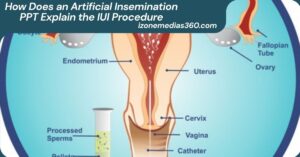
IUI places prepared sperm into the uterus around the time of ovulation.
It may be considered in selected cases, including some situations involving unexplained infertility or certain ovulation or sperm-related factors.
However, the usefulness of IUI varies with age and the underlying fertility problem.
A fertility specialist can explain whether IUI is reasonable in your individual situation.
In Vitro Fertilization
IVF is a more advanced fertility treatment.
In general terms, IVF involves ovarian stimulation, egg retrieval, fertilization in a laboratory, embryo development, and transfer of an embryo into the uterus.
For women over 40, doctors often discuss IVF sooner because time can be an important consideration.
However, IVF does not eliminate the effects of age.
The likelihood of success depends on several factors, including age, ovarian response, embryo characteristics, sperm factors, and the use of the patient’s own eggs versus donor eggs.
The CDC’s U.S. ART reporting system provides clinic and national data, but it cautions that average success rates do not necessarily represent an individual’s actual chance of success.
IVF With Your Own Eggs After 40
Some women over 40 pursue IVF using their own eggs.
This may be an appropriate option depending on ovarian reserve, previous treatment response, overall health, and reproductive goals.
However, one important issue is that IVF cannot make an older egg biologically younger.
The number of eggs retrieved and the number of embryos created can vary widely from person to person.
A fertility specialist should discuss realistic expectations before treatment begins.
Ask your doctor for estimates that specifically relate to:
- Your age
- Your ovarian reserve
- Your previous treatment history
- The clinic’s experience with patients in your age group
- Live birth outcomes rather than only pregnancy rates
Donor Eggs and Fertility After 40
Donor eggs are another option that may be discussed, particularly when ovarian reserve or egg quality makes treatment with one’s own eggs less likely to succeed.
Because donor eggs come from a younger donor, donor-egg treatment can change the age-related egg factor.
However, it is a major personal, medical, financial, and emotional decision.
A doctor should explain:
- Medical screening
- Donor selection
- Genetic considerations
- Treatment steps
- Legal considerations
- Costs
- Counseling
- Embryo options
- Pregnancy-related considerations
Donor-egg treatment is not automatically the right choice. It is one option that may be considered after an individualized evaluation.
Pregnancy Risks After 40
Pregnancy after 40 can be healthy, but some pregnancy complications become more common with advancing maternal age.
Depending on the individual, doctors may pay closer attention to issues such as:
- Miscarriage
- Chromosome abnormalities
- High blood pressure
- Gestational diabetes
- Placental complications
- Cesarean delivery
- Other pregnancy complications
The level of risk varies by age and overall health.
Seeing a fertility specialist does not replace routine prenatal care. Once pregnant, you may also benefit from early care with an OB-GYN and, when appropriate, a maternal-fetal medicine specialist.
Fertility Specialist vs. Regular OB-GYN
An OB-GYN provides general reproductive and pregnancy care.
A fertility specialist, particularly an REI specialist, has additional expertise in diagnosing and treating infertility.
You may want to start with an OB-GYN if you are seeking general reproductive advice.
However, if you are over 40 and actively trying to become pregnant, an REI consultation can provide more specialized information about fertility and treatment options.
The two types of doctors can also work together.
Questions to Ask a Fertility Specialist for Women Over 40
Your first appointment is an opportunity to learn about your options.
Consider asking:
- What could be affecting my fertility?
- Should I have an ovarian reserve evaluation?
- What do my AMH, FSH, estradiol, or AFC results mean?
- Should my partner have a semen analysis?
- Do I need testing for my fallopian tubes?
- Is trying naturally reasonable in my situation?
- Would I benefit from IUI?
- Should we consider IVF?
- What are my realistic chances with my own eggs?
- When should donor eggs be discussed?
- What does success mean at your clinic?
- Do you report live birth rates by age?
- What are the major risks of treatment?
- What are the total estimated costs?
- Which treatments are covered by my insurance?
- Are financing options available?
- How many treatment cycles might be reasonable?
- What happens if the first treatment does not work?
- Should I meet with a genetic counselor?
- What would you recommend if you were planning treatment based on my specific results?
Writing down your questions before the appointment can help you remember important concerns.
How Much Does Fertility Treatment Cost in the United States?
Fertility treatment costs vary widely across the United States.
The total expense may depend on:
- Location
- Clinic
- Insurance coverage
- Type of treatment
- Medication
- Laboratory fees
- Testing
- Number of cycles
- Embryo storage
- Genetic testing
- Donor services
- Anesthesia
- Additional procedures
IVF is generally more expensive than basic fertility evaluation or medication-based treatment.
Insurance coverage also varies by state and employer plan.
Before starting treatment, ask the clinic for a written estimate of expected costs.
Also ask what is not included.
A low advertised treatment price may not represent the final amount paid by a patient.
Does Insurance Cover Fertility Treatment?
There is no single nationwide rule that guarantees fertility coverage for every U.S. patient.
Coverage can depend on your state, employer, insurance plan, diagnosis, and treatment.
Some plans may cover fertility evaluation but not IVF. Others may provide broader coverage.
Before choosing a clinic, contact your insurance provider and ask:
- Is infertility evaluation covered?
- Are fertility medications covered?
- Is IUI covered?
- Is IVF covered?
- Are there lifetime limits?
- Is prior authorization required?
- Do I need to use a specific fertility clinic?
- Are diagnostic tests covered?
- Are genetic tests covered?
Ask the clinic’s financial counselor to help you understand your benefits, but verify important coverage details with your insurance company.
How to Compare Fertility Clinics
Choosing a clinic can feel overwhelming.
Instead of focusing on one advertising claim, create a simple comparison.
Compare clinics based on:
| Factor | What to Look For |
| Doctor training | REI/fertility specialization |
| Experience | Regular treatment of women in their 40s |
| Success reporting | Clear age-specific outcomes |
| Communication | Easy access to doctors and nurses |
| Testing | Evidence-based evaluation |
| Treatment options | Multiple appropriate options |
| Laboratory | Experienced embryology team |
| Cost | Clear written estimates |
| Insurance | Help verifying benefits |
| Location | Travel time and appointment schedule |
| Emotional support | Counseling or support resources |
| Transparency | Clear discussion of benefits and limitations |
A clinic that gives you a realistic explanation may be a better choice than one that simply promises high success.
Warning Signs When Choosing a Fertility Clinic
Be cautious if a clinic:
- Guarantees pregnancy
- Promises a baby from one treatment cycle
- Says one test can completely measure fertility
- Uses pressure to start expensive treatment immediately
- Refuses to explain costs clearly
- Avoids discussing alternatives
- Makes unrealistic claims about supplements
- Uses confusing success statistics
- Does not explain risks
- Dismisses your questions
Fertility care involves important medical decisions. You should receive balanced information about benefits, limitations, alternatives, and risks.
Fertility Supplements After 40: Do They Work?
The internet contains many products marketed for “egg quality,” “ovarian rejuvenation,” or fertility improvement.
Be careful with these claims.
A supplement cannot be assumed to reverse reproductive aging.
Some supplements may also interact with medications or medical conditions.
Before taking a fertility supplement, tell your fertility specialist exactly what you are using.
This includes:
- Vitamins
- Herbal products
- Hormonal products
- Weight-loss supplements
- Performance supplements
- Over-the-counter medications
A prenatal vitamin containing folic acid is commonly recommended when planning pregnancy, but your doctor can recommend the appropriate formulation and dose for your individual health needs.
Lifestyle and Fertility After 40
Lifestyle cannot stop reproductive aging, but overall health matters when preparing for pregnancy.
Helpful habits may include:
- Eating a balanced diet
- Getting regular physical activity
- Avoiding tobacco
- Limiting or avoiding alcohol when trying to conceive
- Maintaining a healthy weight when possible
- Getting adequate sleep
- Managing chronic medical conditions
- Taking recommended prenatal vitamins
- Reviewing medications with a doctor
These habits support general health, but they should not be presented as a substitute for fertility treatment when treatment is medically appropriate.
The Emotional Side of Fertility Treatment After 40
Fertility treatment is not only a medical process.
It can involve uncertainty, disappointment, financial stress, relationship pressure, and difficult decisions.
Women over 40 may also feel pressure because they believe they have less time to make decisions.
It is important to remember that fertility is not a personal failure.
Seeking medical help is a practical health decision.
Consider asking your fertility clinic whether it offers:
- Counseling
- Support groups
- Mental health referrals
- Financial counseling
- Fertility education
- Patient support resources
You do not have to handle every part of the process alone.
Privacy and Online Fertility Information
Fertility information is personal health information.
When researching fertility specialists online, use caution with websites, social media accounts, online forums, and fertility advertisements.
Avoid sharing unnecessary personal information publicly.
Be especially careful about posting:
- Medical records
- Laboratory results
- Full names
- Insurance information
- Birth dates
- Contact information
- Photos of medical documents
Online fertility communities can provide emotional support, but personal experiences are not the same as medical evidence.
One person’s successful treatment does not mean the same treatment will work for another person.
For reliable information, prioritize professional medical organizations, government health agencies, and licensed health professionals.
What Makes a Good Fertility Specialist for Women Over 40?
The best fertility specialist is not necessarily the doctor with the most aggressive treatment plan.
A strong specialist should be able to explain both possibilities and limitations.
For example, they should be willing to say:
“Here is what we know.”
“Here is what we do not know.”
“These are your reasonable options.”
“These are the benefits and risks.”
“This is what I would expect based on your age and test results.”
“This is what we can do if the first plan does not work.”
That kind of honest communication is an important part of high-quality fertility care.
A Practical Fertility Plan for Women Over 40
If you are over 40 and want to become pregnant, the following approach can help you organize the process.
Step 1: Schedule an evaluation
Do not assume you need to wait months before seeking advice.
ASRM indicates that women over 40 may benefit from more immediate evaluation.
Step 2: Gather your medical history
Bring information about:
- Previous pregnancies
- Miscarriages
- Surgeries
- Menstrual cycles
- Previous fertility tests
- Previous fertility treatments
- Medications
- Medical conditions
- Family history
Step 3: Evaluate both partners when applicable
A fertility problem can involve female factors, male factors, both, or sometimes no clearly identified cause.
A semen analysis can therefore be an important early part of the evaluation.
Step 4: Understand your ovarian reserve
Ask your doctor whether AMH, FSH, estradiol, or antral follicle count would be useful.
Do not treat one laboratory number as your complete fertility picture.
Step 5: Discuss time-sensitive options
Ask your specialist whether it makes sense to:
- Continue trying naturally
- Try medication
- Consider IUI
- Move to IVF
- Consider donor eggs
- Explore other reproductive options
Step 6: Ask for age-specific information
Instead of asking, “What is your success rate?” ask:
“What is the live birth rate for patients around my age using their own eggs?”
This can provide more useful information.
Step 7: Understand costs
Request a written estimate before beginning treatment.
Step 8: Make a decision based on your goals
Your reproductive goals matter.
Some people want to use their own eggs if possible. Others prioritize the highest probability of live birth and are open to donor eggs. Some may decide not to pursue treatment.
A fertility specialist should support informed decision-making rather than pressure you into a particular path.
Key Takeaways About Fertility Specialist for Women Over 40
The most important points are simple:
- Fertility generally declines with age.
- Women over 40 may benefit from earlier fertility evaluation.
- An REI specialist is often the most specialized doctor for infertility care.
- Ovarian reserve tests can help with treatment planning but do not provide a complete fertility score.
- AMH does not measure egg quality by itself.
- Age remains an important predictor of reproductive success.
- Both partners should be evaluated when applicable.
- Treatment options can include medication, IUI, IVF, and donor eggs.
- IVF does not completely eliminate age-related factors.
- Clinic success rates should be examined carefully.
- U.S. fertility clinics report ART data to the CDC.
- Costs and insurance coverage vary widely.
- A trustworthy fertility specialist should explain benefits, risks, alternatives, and realistic expectations.
- Online fertility information should be evaluated carefully.
Frequently Asked Questions
1. Should I see a fertility specialist before trying to conceive at 40?
You do not necessarily need fertility treatment before trying to conceive. However, scheduling a consultation before or soon after you begin trying can provide useful information about your reproductive health and available options. ASRM states that more immediate evaluation may be warranted for women over 40.
An initial consultation does not obligate you to begin treatment. It can simply help you understand your situation.
2. Is it possible for a fertility specialist to tell exactly when I will reach menopause?
No.
Fertility testing cannot precisely predict the exact date of menopause for an individual woman.
Tests such as AMH can provide information about ovarian reserve, but they should not be treated as a precise countdown to menopause or as a guaranteed prediction of when pregnancy will or will not occur.
3. Can a woman over 40 improve egg quality naturally?
There is no proven lifestyle method that can reverse the age-related decline in egg quality.
Healthy habits can support general health and pregnancy preparation, but they should not be confused with treatments that reverse reproductive aging.
Be cautious about products that promise to “rejuvenate” the ovaries or dramatically increase egg quality.
4. Should I get a second opinion before starting IVF after 40?
A second opinion can be reasonable, particularly if you are uncertain about the recommended treatment, expected outcomes, or costs.
It can be especially useful when you are considering major decisions such as IVF with your own eggs, donor eggs, or repeated treatment cycles.
A second specialist may provide a different perspective, although different recommendations do not automatically mean one doctor is wrong.
5. What should I bring to my first fertility specialist appointment?
Bring a list of your medications and supplements, menstrual cycle information, previous pregnancy records, fertility test results, surgical history, relevant medical records, and questions.
If you have a partner, information about previous semen testing or fertility evaluations can also be useful.
If possible, write down your main reproductive goals before the appointment. Knowing what matters most to you can help the specialist tailor the discussion.
Conclusion
Choosing a fertility specialist for women over 40 is an important step for anyone who wants to understand their reproductive options.
Age has a meaningful effect on female fertility, and fertility generally declines more quickly during the later reproductive years. ASRM recommends that women over 40 may benefit from more immediate fertility evaluation rather than waiting for an extended period.
At the same time, age alone does not tell the entire story.
Your ovarian reserve, menstrual cycles, uterine and tubal health, medical history, sperm factors when applicable, previous pregnancies, and reproductive goals all contribute to the overall picture.
A qualified reproductive endocrinology and infertility specialist can bring these factors together and explain your choices.
When comparing fertility clinics, look beyond advertising claims. Ask for age-specific information, understand whether statistics refer to pregnancy or live birth, review costs, and make sure the medical team communicates openly about both benefits and limitations.
Most importantly, remember that fertility care should be individualized. There is no single treatment that is right for every woman over 40.
The best next step is usually not to search for a guaranteed answer online, but to have a timely, evidence-based conversation with a qualified fertility specialist who can evaluate your individual circumstances and help you make an informed decision.