


An artificial insemination PPT can be a useful way to explain fertility treatment in a clear, visual, and easy-to-understand format. Students, teachers, healthcare educators, and people learning about fertility often use PowerPoint presentations to organize information about artificial insemination, its purpose, procedure, benefits, risks, and possible outcomes.
This guide explains what an artificial insemination PPT should contain and provides detailed educational information that can be used to understand the topic or build a presentation for a U.S. audience.
What Is Artificial Insemination?
Artificial insemination is a fertility treatment in which prepared sperm is placed into a woman’s reproductive tract using a medical procedure. The goal is to increase the chance that sperm will reach an egg and fertilization will occur.
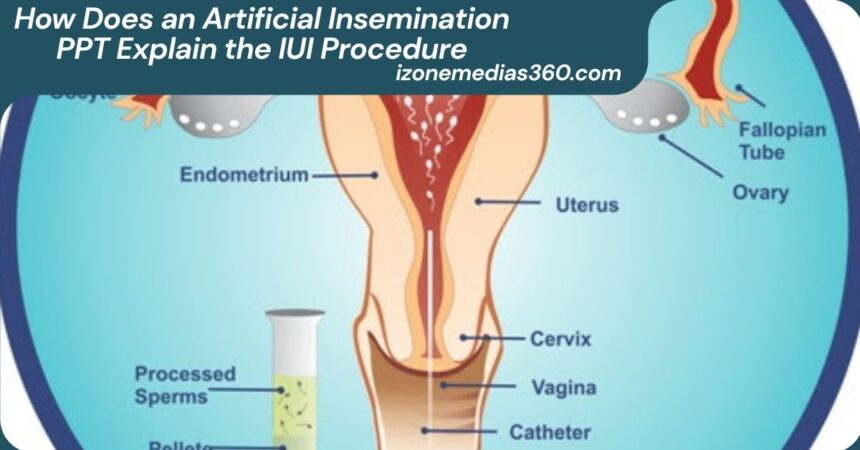
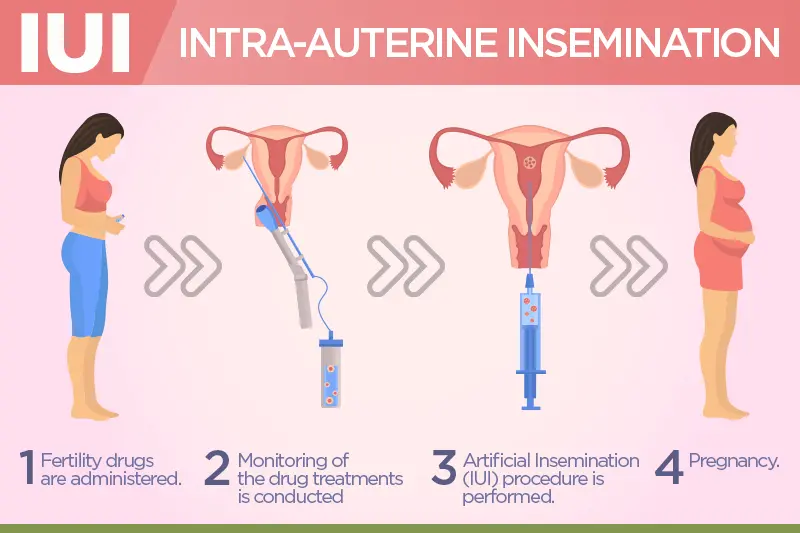
One of the most common forms is intrauterine insemination, usually called IUI. During IUI, specially prepared sperm is placed directly into the uterus around the time of ovulation.
Artificial insemination is different from in vitro fertilization (IVF). With IUI, fertilization is intended to occur inside the body. With IVF, eggs are collected and fertilized in a laboratory before an embryo is transferred to the uterus.
For an educational presentation, this difference is one of the most important concepts to explain.
Artificial Insemination PPT: Why Is It Used?
Artificial insemination may be considered for several fertility-related situations. The appropriate treatment depends on factors such as age, fertility history, ovulation, sperm quality, fallopian tube health, and other medical considerations.
Common reasons may include:

- Unexplained infertility
- Certain ovulation problems
- Some forms of male-factor infertility
- Use of donor sperm
- Difficulty having intercourse for medical or physical reasons
- Fertility preservation or family-building situations in which donor sperm is used
- Certain cervical factors that may make natural sperm movement more difficult
Artificial insemination is not appropriate for everyone. A fertility specialist generally evaluates both partners, when applicable, before recommending a treatment.
Artificial Insemination vs. IUI
The terms “artificial insemination” and “IUI” are sometimes used as though they mean exactly the same thing, but they can have different meanings.
Artificial insemination is a broader term describing the medical placement of sperm into the reproductive tract.
IUI is a specific type of artificial insemination in which prepared sperm is placed directly into the uterus.
This distinction can improve the quality of an artificial insemination PPT because it prevents an important source of confusion.
How Does Artificial Insemination Work?
The basic process involves timing insemination close to ovulation.

A simplified process may look like this:
- Fertility evaluation
- Ovulation monitoring
- Sperm collection
- Sperm preparation
- Insemination
- Waiting period
- Pregnancy testing
The exact process varies between patients and clinics.
Step 1: Fertility Evaluation
Before treatment begins, a healthcare professional may review medical and reproductive history.
Testing can vary, but may include:
- Blood tests
- Ultrasound
- Ovulation assessment
- Semen analysis
- Evaluation of the uterus
- Assessment of the fallopian tubes when appropriate
The purpose is to determine whether artificial insemination is a reasonable treatment option.
Step 2: Monitoring Ovulation
Timing is important because insemination works best when it occurs close to ovulation.
Some people naturally ovulate without medication. Others may receive medication intended to help stimulate ovulation.
Doctors may use:
- Ovulation predictor tests
- Ultrasound monitoring
- Hormone testing
- Other clinical methods
An artificial insemination PPT should emphasize that successful timing is an important part of the treatment.
Step 3: Sperm Collection
Sperm may come from a partner or from a donor, depending on the individual’s treatment plan.
When donor sperm is used in the United States, patients should work with a properly regulated fertility clinic or sperm bank and follow applicable screening and documentation requirements.
Step 4: Sperm Preparation
Before IUI, a laboratory typically processes the semen sample.
The purpose is to separate and concentrate sperm that are suitable for insemination while removing much of the other material in the semen sample.
This laboratory step is important because IUI does not simply involve placing an untreated semen sample into the uterus.
Step 5: Insemination
During IUI, a healthcare professional uses a thin medical catheter to place prepared sperm into the uterus.
The procedure is generally brief.
Some people experience mild cramping or discomfort, while others experience little or no discomfort.
Step 6: The Waiting Period
After insemination, there is a waiting period before pregnancy testing.
This can be emotionally difficult for some people because pregnancy cannot usually be determined immediately after treatment.
Step 7: Pregnancy Testing
A pregnancy test is generally performed after enough time has passed for pregnancy hormones to become detectable.
Testing too early can produce confusing or inaccurate results.
Artificial Insemination PPT Slide Structure
If you are creating an artificial insemination PPT for school, healthcare education, or general learning, a logical slide structure can make the presentation easier to follow.
A useful presentation could include:
Slide 1: Title
Artificial Insemination: Overview, Procedure, Benefits, and Risks
Include:
- Presenter name
- Class or organization
- Date
Slide 2: Definition of Artificial Insemination
Explain artificial insemination in one or two simple sentences.
For example:
Artificial insemination is a fertility treatment that places prepared sperm into the reproductive tract to increase the opportunity for fertilization.
Slide 3: What Is IUI?
Explain that intrauterine insemination is a common type of artificial insemination.
A simple diagram can show:
Ovulation → Prepared sperm → Uterus → Possible fertilization
Slide 4: Why Is Artificial Insemination Used?
List common reasons for treatment.
Avoid suggesting that artificial insemination is guaranteed to solve infertility.
Slide 5: Fertility Evaluation
Show the types of assessments that may occur before treatment.
Slide 6: Ovulation Monitoring
Explain why timing matters.
Slide 7: Sperm Preparation
Describe laboratory processing in simple terms.
Slide 8: Insemination Procedure
Explain how prepared sperm is placed into the uterus.
Slide 9: What Happens After IUI?
Discuss the waiting period and pregnancy testing.
Slide 10: Success Rates
Explain that success varies substantially between individuals.
Factors include age, fertility diagnosis, ovarian reserve, sperm quality, treatment protocol, and whether fertility medication is used.
Slide 11: Benefits
Discuss potential advantages compared with more complex fertility treatments.
Slide 12: Risks and Side Effects
Explain possible discomfort, infection risk, medication-related complications, and multiple pregnancy risk when fertility medicines are used.
Slide 13: Artificial Insemination vs. IVF
Provide a simple comparison.
Slide 14: Emotional and Financial Considerations
Discuss stress, treatment costs, insurance, and emotional support.
Slide 15: Conclusion
Summarize the major points.
Who May Consider Artificial Insemination?
Artificial insemination may be considered by different types of patients.
For example, it may be used by:
- Couples experiencing certain types of infertility
- Individuals using donor sperm
- People pursuing pregnancy through fertility treatment
- Patients with selected ovulation-related fertility problems
- People whose fertility specialist believes IUI is medically appropriate
The best treatment depends on individual circumstances.
There is no single fertility treatment that is right for every person.
Artificial Insemination Success Rate
One of the most common questions about artificial insemination is: “What is the success rate?”
There is no single success rate that applies to everyone.
The chance of pregnancy depends on several factors.
Age
Age is an important factor in fertility treatment because egg quantity and quality generally decline with age.
Diagnosis
A person with unexplained infertility may have a different chance of success than someone with severe sperm-related infertility or significant tubal disease.
Sperm Quality
Sperm concentration, movement, and other semen characteristics may influence the chances of successful treatment.
Ovulation
Successful timing around ovulation is important.
Fertility Medication
Some IUI cycles are performed using medication that stimulates the ovaries. This can change both the potential benefit and the risks of treatment.
Number of Treatment Cycles
Some people become pregnant after one cycle, while others may need multiple attempts or a different fertility treatment.
For an artificial insemination PPT, it is better to explain these factors than to present one percentage as if it applies to every patient.
Is Artificial Insemination the Same as IVF?
No.
This is one of the most important questions to include in an artificial insemination PPT.
With artificial insemination, prepared sperm is placed into the reproductive tract and fertilization is intended to happen inside the body.
With IVF, eggs are collected and combined with sperm in a laboratory. An embryo is then transferred into the uterus.
Artificial Insemination vs. IVF
| Feature | Artificial Insemination/IUI | IVF |
| Fertilization | Intended to occur inside the body | Occurs in a laboratory |
| Egg retrieval | Usually no | Yes |
| Laboratory fertilization | No | Yes |
| Embryo transfer | No | Yes |
| Treatment complexity | Generally lower | Generally higher |
| Typical cost | Generally lower | Generally higher |
| Appropriate for everyone | No | No |
These are general distinctions. Individual treatment plans can be more complicated.
Benefits of Artificial Insemination
Artificial insemination may offer several potential benefits.
Less Invasive Than IVF
IUI generally does not require surgical egg retrieval.
Simpler Procedure
The insemination itself is usually a relatively short clinical procedure.
Potentially Lower Cost
IUI is often less expensive than IVF, although actual costs vary widely across the United States.
Use of Donor Sperm
IUI can be used with donor sperm when medically and legally appropriate.
Can Be Combined With Ovulation Treatment
In selected patients, fertility medication may be used to improve the likelihood of ovulation.
However, fertility medication can also introduce additional risks, which is why medical monitoring matters.
Risks of Artificial Insemination
Although IUI is generally considered a low-risk procedure, it is not completely risk-free.
Potential risks can include:
- Mild cramping
- Spotting
- Infection, although uncommon
- Emotional stress
- Treatment-related costs
- Multiple pregnancy, particularly when fertility medications are used
The risk of multiple pregnancy can be an important consideration because twins or higher-order pregnancies have greater health risks for both the pregnant person and babies.
Side Effects of Fertility Medications
Some artificial insemination cycles use medications to stimulate ovulation.
Depending on the medicine, side effects may include:
- Bloating
- Breast tenderness
- Headache
- Mood changes
- Abdominal discomfort
Some medications can increase the chance of ovarian hyperstimulation syndrome, a condition that requires medical attention in more serious cases.
Medication should therefore be used only under appropriate medical supervision.
Artificial Insemination and Multiple Pregnancy
Multiple pregnancy is one of the major safety issues associated with fertility treatment.
When medication stimulates the development of multiple follicles, more than one egg may be released.
If more than one egg is fertilized, twins or higher-order multiples may result.
A responsible fertility treatment plan aims to balance pregnancy chances with the health risks associated with multiple pregnancy.
This is an important point for an educational artificial insemination PPT because success should not be measured only by whether pregnancy occurs. A healthy pregnancy outcome also matters.
Artificial Insemination Cost in the United States
The cost of artificial insemination varies across the United States.
Expenses can include:
- Initial consultation
- Fertility testing
- Ultrasound monitoring
- Blood tests
- Fertility medications
- Sperm preparation
- IUI procedure
- Donor sperm, if applicable
- Additional treatment cycles
Insurance coverage also varies by state, employer, insurance plan, and medical circumstances.
Some patients may have partial coverage, while others may need to pay most or all treatment costs themselves.
Because prices change and insurance policies differ, patients should request a detailed cost estimate from their fertility clinic and insurance provider.
Does Insurance Cover Artificial Insemination?
Insurance coverage for fertility treatment is not uniform throughout the United States.
Some states have laws involving fertility treatment coverage, but eligibility and benefits can differ significantly.
Patients should check:
- Their insurance policy
- Employer benefits
- State requirements
- Fertility clinic billing information
- Medication coverage
- Prior authorization requirements
An artificial insemination PPT aimed at a U.S. audience should avoid claiming that insurance always covers IUI.
Artificial Insemination With Donor Sperm
Donor sperm may be used when sperm from a partner is not available or when donor conception is part of an individual’s or family’s reproductive plan.
Donor sperm can raise additional medical, legal, and administrative considerations.
People considering donor sperm should discuss:
- Donor screening
- Infectious disease testing
- Genetic screening
- Medical history
- Documentation
- Storage and handling
- Legal parentage questions
- Clinic and sperm-bank policies
The laws surrounding donor conception can differ by state and may change over time.
For that reason, people with legal questions should consult a qualified attorney familiar with reproductive law in their state.
Is Artificial Insemination Safe?
For appropriately selected patients, IUI is generally considered a relatively low-risk fertility procedure.
However, “safe” does not mean risk-free.
The overall risk depends on factors such as:
- Underlying health
- Fertility diagnosis
- Age
- Medication use
- Number of developing follicles
- Sperm source
- Clinic practices
Patients should receive individualized medical advice rather than relying only on general information from an artificial insemination PPT.
What Happens After Artificial Insemination?
After an IUI procedure, most people can usually return to normal daily activities unless their healthcare provider recommends otherwise.
Some people may experience mild cramping or spotting.
Pregnancy symptoms do not immediately confirm that treatment worked.
The body needs time to produce detectable levels of human chorionic gonadotropin, commonly called hCG, if pregnancy occurs.
A healthcare provider can recommend when pregnancy testing should take place.
When Should You Take a Pregnancy Test After IUI?
The timing of pregnancy testing depends on the treatment cycle and medications used.
Testing too early can lead to uncertainty.
This is especially important when medications containing hCG have been used because they may temporarily affect pregnancy-test results.
Patients should follow the testing schedule provided by their fertility clinic.
Artificial Insemination and Emotional Health
Fertility treatment can be emotionally demanding.
People may experience:
- Hope
- Anxiety
- Disappointment
- Stress
- Frustration
- Uncertainty
Repeated treatment cycles can be especially challenging.
Emotional support can come from:
- A partner
- Trusted friends or family
- Fertility support groups
- Mental health professionals
- Fertility clinics with counseling resources
Seeking emotional support does not mean someone is unable to handle treatment. Fertility care can be stressful, and support can be a practical part of the process.
Privacy and Digital Safety When Researching Fertility
People searching for artificial insemination information online should also think about digital privacy.
Fertility information can be sensitive personal information.
When researching fertility services online:
- Use reputable medical websites
- Check website privacy policies
- Avoid sharing unnecessary personal details
- Be cautious with online fertility forums
- Do not upload medical records to unknown websites
- Review app permissions before using fertility apps
- Use strong passwords
- Be careful when communicating through public social media
Online information can be useful, but it should not replace professional medical care.
How to Evaluate an Artificial Insemination PPT
Not every presentation found online is medically reliable.
A high-quality artificial insemination PPT should:
- Define artificial insemination clearly
- Explain IUI accurately
- Distinguish IUI from IVF
- Use current medical terminology
- Avoid unrealistic success promises
- Explain important risks
- Discuss individual differences
- Use reliable medical references
- Avoid sensational claims
- Protect patient privacy
- Clearly separate education from medical advice
A presentation should also make it easy for viewers to understand which information is established and which information may depend on individual circumstances.
Common Mistakes in Artificial Insemination Presentations
Several mistakes can reduce the educational value of a fertility presentation.
Mistake 1: Treating IUI and IVF as the Same
They are different fertility treatments.
Mistake 2: Giving One Universal Success Rate
Success depends on many variables.
Mistake 3: Ignoring Age
Age can strongly influence fertility and treatment outcomes.
Mistake 4: Overpromising Results
No fertility treatment can guarantee pregnancy.
Mistake 5: Ignoring Medication Risks
Ovulation-stimulating medications can introduce additional risks.
Mistake 6: Using Outdated Information
Fertility medicine changes over time. Educational presentations should be reviewed and updated.
Mistake 7: Using Complicated Medical Language
A presentation should match the knowledge level of its audience.
For basic learners, simple explanations are usually more effective.
How to Make an Artificial Insemination PPT More Engaging
A strong presentation should not be a wall of text.
Consider using:
- Simple diagrams
- Process flowcharts
- Tables
- Short bullet points
- Clearly labeled illustrations
- Timelines
- Comparison charts
- Frequently asked questions
For example, the treatment process can be shown as:
Evaluation → Ovulation monitoring → Sperm preparation → IUI → Waiting period → Pregnancy test
This simple structure can help an audience understand the overall process without overwhelming them.
SEO Keywords Related to Artificial Insemination PPT
For content creators targeting the search term “artificial insemination PPT,” related semantic keywords may include:
- artificial insemination presentation
- artificial insemination PowerPoint
- IUI presentation
- intrauterine insemination PPT
- artificial insemination procedure
- IUI procedure
- fertility treatment presentation
- artificial insemination process
- artificial insemination slides
- fertility treatment PowerPoint
- IUI success rate
- artificial insemination benefits
- artificial insemination risks
- artificial insemination vs IVF
- donor sperm
- infertility treatment
- fertility evaluation
- ovulation monitoring
- sperm preparation
- reproductive medicine
These terms can help search engines understand the broader subject without repeatedly using the exact primary keyword.
Who Can Use an Artificial Insemination PPT?
An artificial insemination presentation can be useful for several audiences.
Students
Students can use it to learn basic reproductive medicine concepts.
Teachers
Educators can use presentations to explain fertility treatment in a structured way.
Healthcare Learners
Students in health-related fields may use presentations as introductory study material.
Patients and Families
Patients may find visual explanations helpful when learning about treatment options.
However, patient education should come from reliable medical sources and healthcare professionals when treatment decisions are involved.
How to Explain Artificial Insemination in Simple Words
A simple explanation is:
Artificial insemination is a fertility treatment in which prepared sperm is placed into the reproductive tract around the time of ovulation to increase the opportunity for fertilization.
For IUI specifically:
IUI places prepared sperm directly into the uterus using a thin catheter.
These definitions are short enough for a presentation slide while still being medically useful.
Artificial Insemination PPT for Students
A student presentation can focus on five basic questions:
- What is artificial insemination?
- Why is it used?
- How does the procedure work?
- What are its benefits and risks?
- How is it different from IVF?
A presentation that answers these questions clearly can provide a strong introduction to the subject.
Students should avoid presenting medical information as personalized treatment advice.
Artificial Insemination PPT Design Tips
The visual design of a fertility presentation matters.
Use a consistent layout throughout the slides.
Good practices include:
- One main idea per slide
- Large readable headings
- Short paragraphs
- Simple medical diagrams
- Consistent terminology
- Clear labels
- Accessible font sizes
- High-quality references
- Minimal visual clutter
Avoid filling every slide with long paragraphs.
Instead, put the most important information on the slide and use speaker notes for additional explanations.
Artificial Insemination PPT: Suggested 15-Slide Outline
Here is a ready-to-use educational outline:
1. Title Slide
Artificial Insemination: An Introduction to IUI and Fertility Treatment
2. Definition
Explain artificial insemination and IUI.
3. Why It May Be Used
Discuss common medical and reproductive situations.
4. Fertility Evaluation
Introduce testing and medical assessment.
5. Ovulation
Explain why timing matters.
6. Sperm Collection
Discuss partner or donor sperm.
7. Sperm Preparation
Explain laboratory processing.
8. IUI Procedure
Describe the placement of prepared sperm into the uterus.
9. After Treatment
Explain monitoring and pregnancy testing.
10. Success Factors
Discuss age, diagnosis, ovulation, sperm quality, and treatment protocol.
11. Benefits
Describe potential advantages.
12. Risks
Discuss discomfort, infection, medication risks, and multiple pregnancy.
13. IUI vs. IVF
Compare the two treatments.
14. Cost and Emotional Considerations
Discuss financial planning and emotional support.
15. Conclusion
Summarize the main lessons.
Frequently Asked Questions About Artificial Insemination PPT
1. What should be included in an artificial insemination PPT?
A good artificial insemination PPT should include the definition, reasons for treatment, fertility evaluation, ovulation monitoring, sperm preparation, IUI procedure, potential benefits, risks, success factors, cost considerations, comparison with IVF, and conclusion.
2. Can artificial insemination guarantee pregnancy?
No. Artificial insemination cannot guarantee pregnancy. Treatment outcomes vary based on age, fertility diagnosis, sperm quality, ovulation, reproductive health, and other factors.
3. How many slides should an artificial insemination presentation have?
There is no required number. A short classroom presentation might use 8–10 slides, while a more detailed educational presentation could use 15–20 slides. The ideal length depends on the audience and presentation time.
4. Can artificial insemination be performed without fertility medication?
Yes. Some IUI cycles are performed during a natural ovulation cycle. Other cycles use medication to stimulate ovulation. The appropriate approach depends on the individual’s fertility situation and the clinician’s recommendation.
5. Where can students find reliable information for an artificial insemination PPT?
Students should prioritize established medical and government health organizations, peer-reviewed medical literature, academic institutions, and professional fertility organizations. Information should be checked for publication date and medical accuracy before being included in a presentation.
Conclusion
An artificial insemination PPT can be an effective educational tool for explaining fertility treatment in a simple and organized way. The most important concepts include the meaning of artificial insemination, the role of IUI, fertility evaluation, ovulation timing, sperm preparation, the insemination procedure, possible benefits, risks, costs, and differences between IUI and IVF.
For a U.S. audience, it is also important to recognize that fertility treatment costs, insurance coverage, donor-related requirements, and reproductive laws can vary. A presentation should therefore avoid universal claims and clearly explain that individual medical decisions require professional guidance.
The strongest artificial insemination presentations focus on accurate information rather than promising results. By combining clear definitions, simple visuals, balanced discussion of benefits and risks, and trustworthy medical information, an artificial insemination PPT can help students, patients, and general readers understand this important area of reproductive medicine.