



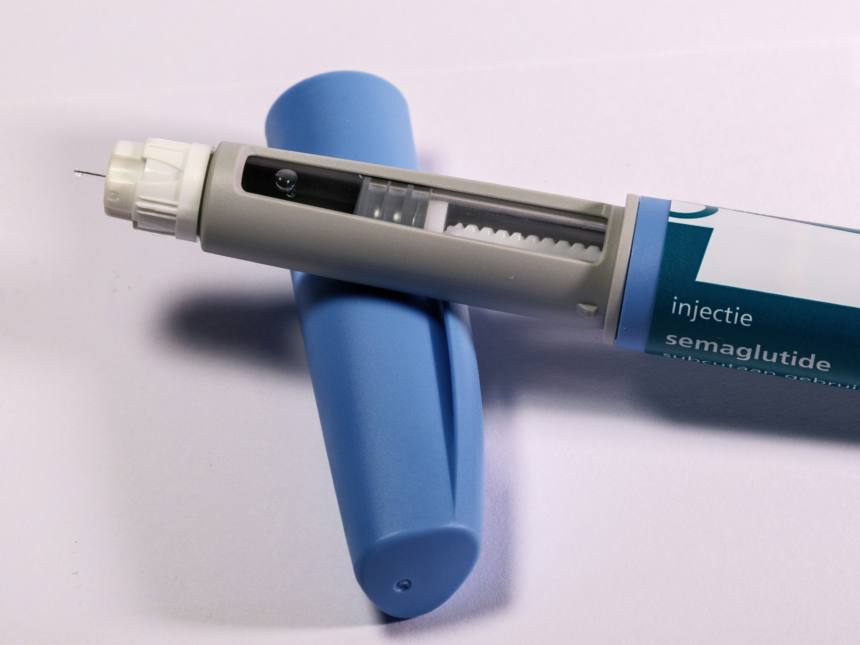
Weight management has become an increasingly important part of preventive healthcare. For people who struggle to lose weight through diet and physical activity alone, prescription medications may provide another option when used under appropriate medical supervision. Two medications receiving significant attention are semaglutide and tirzepatide, which work through hormone pathways involved in appetite, blood sugar regulation, and food intake.
For readers looking for reliable nutrition and weight-management information, nutritionnc.com can provide a useful starting point for exploring these topics alongside broader healthy-lifestyle strategies. However, medication decisions should always be individualized because factors such as existing health conditions, other medicines, treatment goals, and potential side effects can influence whether a particular option is appropriate.
What Is Semaglutide?
Semaglutide is a medication that belongs to a class known as glucagon-like peptide-1, or GLP-1, receptor agonists. GLP-1 is a hormone naturally involved in regulating blood glucose and appetite. By activating GLP-1 receptors, semaglutide can help regulate blood sugar and reduce food intake.
Semaglutide has different approved uses and formulations. In the United States, Wegovy is approved for chronic weight management in appropriate adults and certain adolescents with obesity, while other semaglutide products are approved for diabetes-related indications. The appropriate product and dose depend on the medical condition being treated.
For people using semaglutide for weight management, treatment is generally combined with a reduced-calorie eating plan and increased physical activity rather than being viewed as a replacement for healthy habits. Current medical guidance emphasizes that lifestyle measures remain an important part of long-term weight management.
What Is Tirzepatide?
Tirzepatide works somewhat differently from semaglutide. It acts on two hormone pathways: glucose-dependent insulinotropic polypeptide, commonly called GIP, and GLP-1. Because it affects both pathways, tirzepatide is often described as a dual GIP and GLP-1 receptor agonist.
Tirzepatide is marketed under different brand names for different approved purposes. For chronic weight management, Zepbound was approved by the U.S. Food and Drug Administration for adults with obesity or adults who are overweight and have at least one weight-related medical condition. The approval specifies its use alongside a reduced-calorie diet and increased physical activity.
This distinction is important because the same active ingredient can have different approved uses, doses, and treatment considerations depending on the product and medical condition.

How Do Semaglutide and Tirzepatide Help With Weight Management?
Both medications can influence appetite and food intake, but they do so through different hormone pathways.
Semaglutide primarily activates GLP-1 receptors. This can help people feel fuller and may reduce hunger and overall food intake. It also affects blood glucose regulation.
Tirzepatide activates both GIP and GLP-1 receptors. The combined activity can influence appetite, food intake, insulin-related processes, and glucose regulation.
Clinical research has found that these newer anti-obesity medications can produce substantial weight loss for many eligible patients. However, individual results vary, and medication should not be viewed as a guaranteed or instant solution. Factors such as adherence, diet, physical activity, starting weight, medical history, and treatment duration can affect outcomes.
Semaglutide vs. Tirzepatide: Are They the Same?
Although both medications are injectable treatments that can support weight management, they are not identical.
The main difference is their mechanism of action. Semaglutide acts on the GLP-1 receptor, while tirzepatide acts on both GIP and GLP-1 receptors. Their approved indications, dosing schedules, formulations, and individual treatment considerations can also differ.

It is therefore not appropriate to assume that one medication is automatically better for everyone. A healthcare professional can consider the patient’s goals, medical history, current medicines, possible contraindications, expected benefits, and potential adverse effects before recommending a treatment.
Comparing medications based only on advertisements, social media claims, or another person’s experience can be misleading. A treatment that works well for one individual may not be suitable for another.
Potential Side Effects
Like other prescription medications, semaglutide and tirzepatide can cause side effects. Gastrointestinal symptoms are among the commonly reported concerns and may include nausea, vomiting, diarrhea, constipation, or abdominal discomfort.
The severity and duration of symptoms can vary. Some people experience greater discomfort when beginning treatment or when doses are increased. For this reason, dosing is generally introduced and adjusted according to the prescribing information and the individual’s response.
More serious risks are also possible, so patients should discuss their medical history with a qualified healthcare professional before starting treatment. People should also tell their healthcare provider about all prescription medicines, over-the-counter products, and supplements they take.
The goal is not simply to find a medication capable of reducing weight, but to find a treatment plan whose potential benefits and risks make sense for the individual.
Who Might Consider These Medications?
Prescription weight-management medications are generally considered for people who meet specific medical criteria rather than for anyone wanting to lose a few pounds quickly.
Healthcare professionals may evaluate factors such as body mass index, weight-related health conditions, previous weight-management attempts, lifestyle habits, and overall health. Weight-loss medicines may be considered when lifestyle changes alone have not produced sufficient results or when additional treatment could provide meaningful health benefits.
People with conditions such as type 2 diabetes may have additional reasons to discuss these medications with their healthcare team. Current diabetes guidance recognizes GLP-1 receptor agonists and dual GIP/GLP-1 receptor agonists as options that may help appropriate patients manage weight and metabolic health.
Nutrition Still Matters During Treatment
Medication does not eliminate the importance of nutrition. A balanced eating pattern can help support adequate protein, fiber, vitamins, minerals, and other nutrients while a person is losing weight.
People using appetite-reducing medications may sometimes find that they feel full sooner. This makes food quality especially important. Meals can emphasize nutrient-dense foods such as vegetables, fruits, lean proteins, whole grains, legumes, and appropriate sources of healthy fats.
Adequate hydration and regular physical activity can also support overall wellbeing. Depending on the individual’s circumstances, a registered dietitian or other qualified professional may help develop an eating plan that fits the treatment strategy.
The National Institute of Diabetes and Digestive and Kidney Diseases emphasizes that successful weight-management programs commonly combine healthy eating, physical activity, monitoring, and professional support.
Why Medical Supervision Matters
The popularity of semaglutide and tirzepatide has also created concerns about inappropriate use and unapproved products. People should be cautious about purchasing medications from questionable online sources or using products that have not been properly prescribed.
The U.S. Food and Drug Administration warns that unapproved versions of GLP-1 medications may not undergo the same review for safety, effectiveness, and quality as approved medicines. Patients should obtain prescriptions from qualified healthcare professionals and use legitimate pharmacies.
For additional information about medication safety and approved uses, readers can consult the U.S. Food and Drug Administration, a primary regulatory authority for medicines in the United States.
The Bigger Picture of Weight Management
Semaglutide and tirzepatide represent important developments in the treatment of obesity and related metabolic conditions, but they are only one part of a broader approach.
Long-term weight management may involve nutrition, physical activity, sleep, behavioral support, medication, and regular medical monitoring. The right combination depends on the individual.
It is also important to have realistic expectations. Weight management is usually a long-term process rather than a short challenge. Stopping treatment can result in weight regain for some people, and researchers continue to study the long-term management of obesity with highly effective medications.
Conclusion
Semaglutide and tirzepatide have changed the conversation around prescription weight management by targeting biological pathways involved in appetite, food intake, and metabolic regulation. While both can provide meaningful benefits for eligible patients, they are different medications and should not be treated as interchangeable solutions.
The safest approach is to discuss treatment with a qualified healthcare professional, understand the potential benefits and risks, use an approved medication as prescribed, and maintain healthy nutrition and physical activity habits. With an individualized plan and appropriate monitoring, medication can become one component of a broader strategy for improving long-term health and weight management.