


Knowing how to tell if you’re ovulating can help you better understand your menstrual cycle and fertility. Common signs include changes in cervical mucus, a slight rise in basal body temperature, and a positive ovulation test. In this guide, you’ll learn the key signs of ovulation, how to track them, and when to seek medical advice.
How to Know If You’re Ovulating
If you are wondering how to know if your ovulating, you are not alone. Ovulation is a normal part of the menstrual cycle, but it does not always cause an obvious symptom.
Ovulation is the point in the menstrual cycle when an ovary releases an egg. Hormone changes before and after this event can create several signs that may help you understand where you are in your cycle.
Some people notice clear and slippery cervical mucus, a small change in basal body temperature, mild pelvic discomfort, breast tenderness, or changes in mood or appetite. Others notice almost nothing.
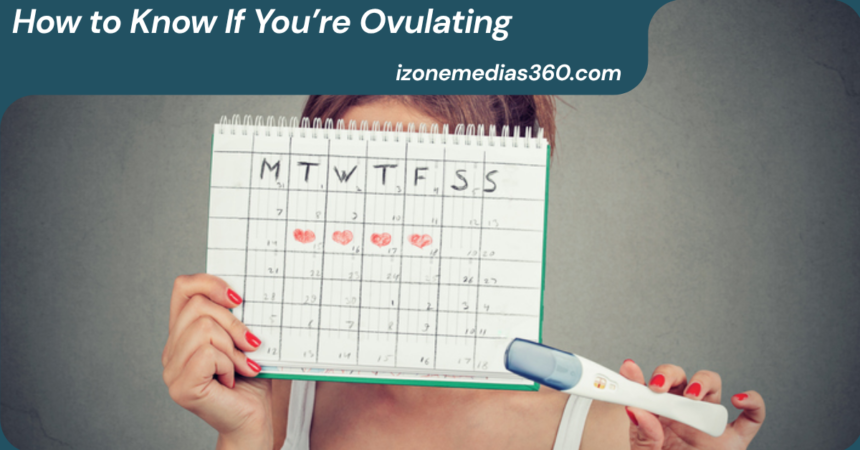
The most useful way to identify ovulation is usually to look at a pattern instead of relying on one symptom. Tracking cervical mucus, menstrual-cycle dates, basal body temperature, and urine-based ovulation tests can provide more information than any single sign.
It is also important to understand that predicting ovulation is not the same as proving that ovulation occurred. For example, an ovulation test can detect a rise in luteinizing hormone, or LH, before ovulation, but it does not guarantee that an egg was released. The FDA explains that urine ovulation tests detect the LH surge that generally occurs about 1 to 1½ days before ovulation.
This guide explains the most common signs of ovulation, how to track them, when ovulation usually happens, how accurate different methods are, and when it may be useful to speak with a healthcare professional.
What Is Ovulation?
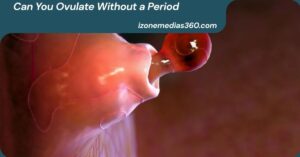
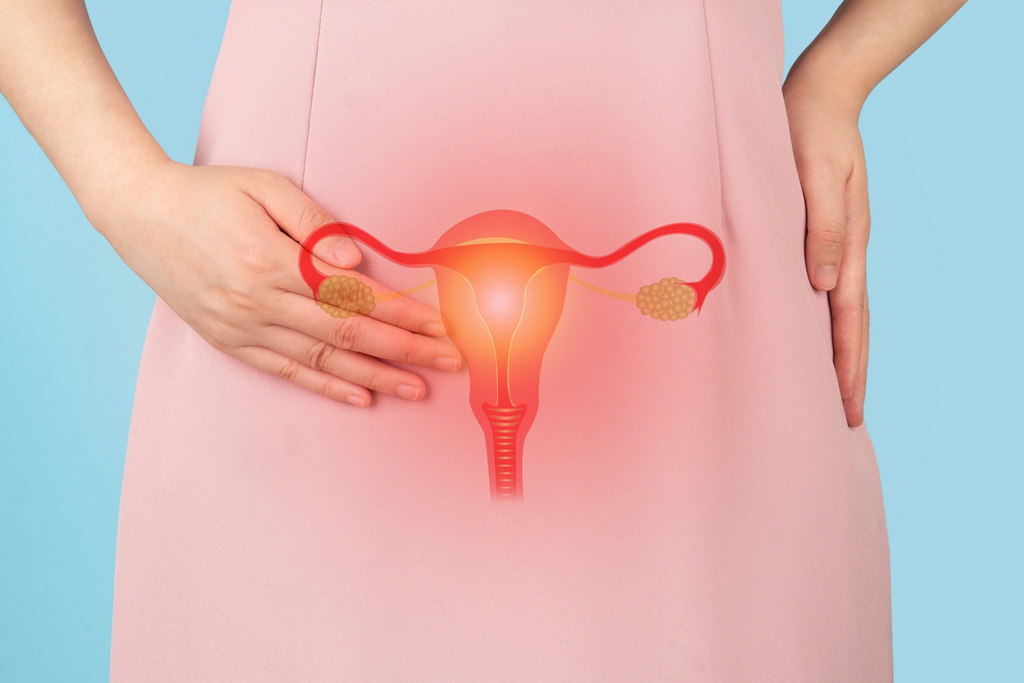
Ovulation is the release of an egg from an ovary.

During a typical menstrual cycle, several hormones work together to prepare an egg for release. As the cycle progresses, estrogen levels rise. This hormonal activity helps prepare the reproductive system for possible pregnancy.
A rise in luteinizing hormone, commonly called LH, occurs shortly before ovulation. This is known as the LH surge.
After the LH surge, ovulation usually occurs within roughly the next day or two. The exact timing can vary between people and even between cycles for the same person.
After ovulation, progesterone increases. This hormone can cause a small rise in basal body temperature. That temperature change can be useful because it provides evidence that ovulation may have already happened rather than predicting it in advance.
The timing of ovulation is therefore important for understanding fertility. The fertile window is generally considered the six-day period ending on the day of ovulation. Research summarized by the American Society for Reproductive Medicine shows that the highest chance of conception occurs around the days immediately before ovulation.
When Does Ovulation Usually Happen?
Many people have heard that ovulation always happens on day 14 of a 28-day menstrual cycle. That is a useful example, but it is not a rule.

Ovulation can occur earlier or later depending on the person and the cycle.
A better way to think about ovulation is that it often occurs about two weeks before the next menstrual period, rather than exactly two weeks after the previous period begins. However, the timing can vary.
For example, someone with a 28-day cycle may ovulate around the middle of the cycle, while someone with a longer or shorter cycle may ovulate at a different time.
Even people who usually have regular periods can experience changes in ovulation timing.
Stress, illness, changes in sleep, travel, significant changes in weight, intense exercise, certain medications, breastfeeding, and hormonal conditions can all affect menstrual-cycle patterns.
This is why simply counting days on a calendar may not accurately identify the exact day of ovulation.
What Are the Signs of Ovulation?
There are several possible signs of ovulation. Not everyone experiences all of them.
The most useful signs include:
- Changes in cervical mucus
- A rise in basal body temperature
- A positive ovulation predictor test
- Mild pelvic or lower-abdominal discomfort
- Breast tenderness
- Changes in mood or energy
- Increased awareness of vaginal or cervical secretions
- Changes in the cervix that some people can learn to recognize
Among these signs, cervical mucus, LH testing, and basal body temperature are generally more useful for fertility tracking than vague symptoms such as mood changes.
1. Changes in Cervical Mucus
One of the most noticeable signs of approaching ovulation is a change in cervical mucus.
Cervical mucus is produced by glands around the cervix. Its appearance and texture can change throughout the menstrual cycle because of changing hormone levels.
As ovulation approaches, estrogen can cause cervical mucus to become:
- Clearer
- Wetter
- Thinner
- More slippery
- More noticeable
Some people compare fertile cervical mucus to the appearance or texture of raw egg white. This description is commonly used because the mucus can become clear, stretchy, and slippery.
Mayo Clinic notes that cervical mucus often becomes thin, clear, and slippery shortly before ovulation and becomes thicker after ovulation.
This change can be one of the easiest natural signs to observe.
What Does Cervical Mucus Look Like Before Ovulation?
At different points in the cycle, cervical mucus may be:
- Dry or almost absent
- Thick or sticky
- Creamy
- Wet
- Clear and slippery
The clearest, slipperiest mucus generally signals that the body is approaching its most fertile time.
However, cervical mucus does not look exactly the same for everyone. Hormonal birth control, some medications, vaginal infections, breastfeeding, and other factors can change vaginal secretions.
The presence or absence of a particular type of mucus should therefore be interpreted as one piece of information rather than a diagnosis.
2. A Rise in Basal Body Temperature
Basal body temperature, or BBT, is your body’s resting temperature.
After ovulation, progesterone can cause basal body temperature to increase slightly.
To track BBT, you usually take your temperature at approximately the same time each morning before getting out of bed, ideally after adequate sleep. A basal thermometer can help detect small temperature changes.
The important point is that BBT is generally better at confirming a pattern after ovulation than predicting the exact moment before it happens.
For example, you might notice several days of relatively similar temperatures followed by a sustained small increase.
That pattern may suggest that ovulation has already occurred.
Mayo Clinic recommends taking basal temperature every morning before getting out of bed and recording the results over time.
Why Is Basal Body Temperature Useful?
BBT can help you learn your personal cycle pattern.
After tracking several cycles, you may begin to see:
- Lower temperatures before ovulation.
- A temperature shift after ovulation.
- Higher temperatures during the second half of the cycle.
- A return toward lower temperatures before or around the next period.
BBT is inexpensive and does not require a prescription, but it takes consistency.
Poor sleep, illness, alcohol, travel, changing your measurement time, and other factors can affect the reading.
3. A Positive Ovulation Test
An ovulation predictor kit, often called an OPK, is one of the most convenient ways to identify an approaching fertile period.
These tests usually measure luteinizing hormone in urine.
Your body produces a small amount of LH throughout the cycle. Shortly before ovulation, LH usually rises sharply. This is called the LH surge.
The FDA states that urine ovulation tests can detect this surge, which generally occurs about 1 to 1½ days before ovulation.
A positive test therefore usually means that ovulation may be approaching.
It does not mean that pregnancy will occur, and it does not guarantee that ovulation actually happened.
How Do Ovulation Tests Work?
Most home ovulation tests involve collecting urine and testing it with a strip, stick, or digital device.
Depending on the product, the result may appear as:
- A test line
- A digital symbol
- A written result
- A fertility indicator
Different brands have different instructions, so it is important to follow the instructions included with the specific test.
Many kits contain multiple tests because LH needs to be monitored over several days.
Testing at the wrong point in the cycle can cause you to miss the LH surge.
Can an Ovulation Test Confirm Ovulation?
Not by itself.
An LH test identifies a hormonal change that generally occurs before ovulation. It does not directly show that an egg was released.
Some people can experience an LH surge without ovulating. False-positive results can also occur.
The American Society for Reproductive Medicine notes that ovulation detection devices are useful for identifying the urinary LH surge, but ovulation can occur at different times after the surge and false-positive results can occur.
For this reason, combining an LH test with other signs can provide a more complete picture.
4. Mild Pelvic or Lower-Abdominal Discomfort
Some people experience mild discomfort around the time of ovulation.
This is sometimes called mittelschmerz.
The discomfort may occur on one side of the lower abdomen and can last from a short period to longer.
Not everyone experiences it, and the presence of pelvic discomfort does not prove that ovulation is occurring.
Severe, persistent, or unusual pelvic pain should not automatically be blamed on ovulation. Other causes can include ovarian cysts, infections, endometriosis, gastrointestinal conditions, and other medical problems.
Seek medical attention if pain is severe, sudden, persistent, associated with fainting, heavy bleeding, fever, or other concerning symptoms.
5. Breast Tenderness
Hormonal changes during the menstrual cycle can cause breast tenderness or sensitivity.
Some people notice these changes around ovulation or later in the cycle.
However, breast tenderness is not a reliable way to identify the exact day of ovulation because it can occur at other points in the cycle.
It may also be related to hormonal medications, pregnancy, or other normal hormonal changes.
For fertility tracking, breast tenderness is generally more useful as a supporting observation than as the primary sign.
6. Mood or Energy Changes
Some people report changes in mood, energy, appetite, or general well-being around ovulation.
These experiences can be real, but they are difficult to use as a precise ovulation indicator.
Sleep, stress, diet, work schedules, illness, and many other factors can affect mood and energy.
If you notice a repeating pattern across several cycles, you can record it as part of your personal cycle tracking. However, it is better not to rely on mood or energy alone to determine when ovulation is happening.
7. Changes in the Cervix
The cervix can change position and texture during the menstrual cycle.
Some people who use fertility-awareness methods learn to observe these changes.
Near the fertile period, the cervix may become higher, softer, and more open. After ovulation, it may become lower, firmer, and more closed.
This method can take practice and may be difficult to interpret accurately.
It is not necessary to check the cervix to understand ovulation. Cervical mucus, LH testing, and BBT are often easier methods for beginners.
What Is the Most Accurate Way to Know If You’re Ovulating?
There is no single home method that can perfectly predict or confirm ovulation in every person.
Different methods answer slightly different questions.
An ovulation predictor kit can help identify an LH surge before ovulation.
Cervical mucus can provide clues that the fertile period is approaching.
Basal body temperature can help identify a temperature shift after ovulation.
A menstrual-cycle calendar can help establish a general pattern but may not accurately predict the exact ovulation day.
Using several methods together is often more informative than using only one.
For example, someone might track:
- Period dates
- Cervical mucus
- LH test results
- Basal body temperature
- Other recurring cycle symptoms
Over several months, this information can reveal a personal pattern.
Can You Tell You’re Ovulating Without a Test?
Yes, it is possible to recognize signs of ovulation without using an ovulation test.
Cervical mucus is one of the most useful natural signs.
You may also notice a predictable temperature shift after ovulation if you track BBT.
However, symptoms are not always obvious.
Some people have very few noticeable changes during ovulation.
Not having ovulation symptoms does not necessarily mean that you are not ovulating.
Likewise, having several symptoms does not guarantee that ovulation occurred.
How to Track Ovulation Step by Step
If you are new to cycle tracking, keep it simple.
Step 1: Record the First Day of Your Period
The first day of menstrual bleeding is generally counted as cycle day one.
Record the date.
Do this consistently for several months.
Step 2: Track Your Cycle Length
Count the days from the first day of one period to the first day of the next period.
Your cycle length may change from month to month.
Do not assume that every cycle will have the same number of days.
Step 3: Observe Cervical Mucus
Pay attention to whether cervical mucus is:
- Dry
- Sticky
- Creamy
- Wet
- Clear
- Slippery
- Stretchy
Record noticeable changes.
Step 4: Consider Using an Ovulation Test
If you want a more direct hormone-based clue, an at-home LH test may help identify the LH surge.
Read the instructions carefully and test according to the recommended schedule.
Step 5: Track Basal Body Temperature
Take your temperature consistently each morning before getting out of bed.
Record the results.
Look for a sustained change rather than focusing on one reading.
Step 6: Compare Your Data
After several cycles, look for repeated patterns.
For example, you may notice that slippery cervical mucus usually appears shortly before your LH test becomes positive, followed by a temperature rise.
This combined pattern can give you a better understanding of your cycle.
Can a Period-Tracking App Tell You When You’re Ovulating?
Period-tracking apps can be useful for recording menstrual-cycle information.
However, a predicted ovulation date is still a prediction.
Many apps use previous cycle lengths and calendar calculations to estimate future fertile days.
The American Society for Reproductive Medicine notes that cycle-based predictions can be limited because the fertile window can vary even among people with regular cycles.
An app may therefore be helpful as a tracking tool, but it should not automatically be treated as proof that ovulation will occur on a particular day.
For greater accuracy, consider using an app to record additional information such as cervical mucus, BBT, and LH test results rather than relying only on calendar dates.
What Is the Fertile Window?
The fertile window is the period during which pregnancy is biologically most likely to occur.
The American Society for Reproductive Medicine defines the fertile window as the six-day interval ending on the day of ovulation.
This matters because sperm can remain capable of fertilization for several days under favorable conditions, while the egg has a much shorter period of viability after ovulation.
As a result, the days before ovulation can be especially important when someone is trying to become pregnant.
Research summarized by ASRM indicates that the highest likelihood of conception is generally around the days immediately before ovulation.
How to Know If You Already Ovulated
Knowing that ovulation already happened is different from predicting that it is about to happen.
A few clues may help.
A Sustained BBT Increase
A lasting temperature rise after a lower-temperature phase may indicate that ovulation has already occurred.
Cervical Mucus Becomes Less Fertile
After ovulation, cervical mucus commonly becomes thicker, less slippery, or less noticeable.
A Positive LH Test Has Already Occurred
A positive LH test suggests that the LH surge has happened, but it does not by itself prove that ovulation occurred.
A Healthcare Provider Can Confirm Ovulation
If confirmation is medically important, a healthcare professional can use tests such as blood progesterone testing or other fertility evaluations.
Mayo Clinic lists ovulation testing and progesterone blood testing among methods that may be used during an infertility evaluation.
Why You Might Not Notice Ovulation Symptoms
It is completely possible to ovulate without obvious physical symptoms.
There is no requirement for someone to experience pain, discharge changes, breast tenderness, or mood changes.
Symptoms can also be subtle.
In addition, hormonal contraception may alter the usual cycle signs. Breastfeeding and the postpartum period can also make fertility signs harder to interpret.
The CDC notes that fertility-awareness methods can become more complicated during periods of menstrual irregularity, including after starting menstruation, during perimenopause, and during certain postpartum periods.
Can You Ovulate With Irregular Periods?
Yes.
Irregular periods do not automatically mean that ovulation never occurs.
However, irregular cycles can make it harder to predict when ovulation will happen.
If your periods vary significantly from month to month, calendar calculations may be especially unreliable.
In these situations, tracking physical signs and using LH testing may provide more useful information.
If your periods are consistently very irregular, absent for long periods, unusually heavy, or associated with other symptoms, talk with a healthcare professional.
Conditions involving hormones, the thyroid, ovaries, or other parts of the reproductive system can affect menstrual cycles.
What Can Affect Ovulation Timing?
Ovulation timing can change for many reasons.
Possible influences include:
- Stress
- Illness
- Major changes in sleep
- Travel
- Significant weight changes
- Very intense exercise
- Breastfeeding
- Perimenopause
- Certain medications
- Hormonal conditions
- Changes in hormonal contraception
A single unusual cycle does not necessarily mean there is a medical problem.
The bigger picture matters.
Tracking several cycles can help you identify whether a change is temporary or part of a continuing pattern.
Ovulation and Birth Control
It is important not to assume that tracking ovulation signs is the same as reliable birth control.
Fertility-awareness methods can be used to identify potentially fertile days, but they require careful and consistent use.
The CDC recognizes fertility-awareness-based methods as approaches that may involve tracking fertility signs, cycle days, or both. It also emphasizes that these methods do not protect against sexually transmitted infections.
If avoiding pregnancy is the goal, talk with a healthcare professional about contraceptive options that fit your needs.
An FDA-cleared fertility-related app or an ovulation test should not automatically be treated as a contraceptive method.
The FDA specifically states that home ovulation tests should not be used to prevent pregnancy because they are not reliable for that purpose.
Ovulation Tracking When Trying to Get Pregnant
For someone trying to become pregnant, understanding ovulation can help identify the fertile window.
Tracking cervical mucus can show when fertility may be increasing.
An LH test can identify a hormonal surge that usually occurs shortly before ovulation.
BBT can help identify a temperature shift afterward.
Using these methods together can help create a clearer picture of personal cycle timing.
ASRM states that fertility-tracking methods such as cervical mucus monitoring, ovulation detection devices, and BBT can help identify the fertile window.
However, ovulation timing is only one part of fertility.
Pregnancy can also be affected by age, sperm health, fallopian tube function, uterine health, medical conditions, and other factors.
When Should You See a Doctor About Ovulation?
Consider speaking with a healthcare professional if you:
- Have no periods for several months and are not pregnant
- Have consistently very irregular cycles
- Have unusually heavy menstrual bleeding
- Have severe pelvic pain
- Repeatedly receive unclear ovulation-test results
- Suspect you are not ovulating
- Are trying to become pregnant without success
- Have a known reproductive or hormonal condition
- Have concerns about your fertility
A healthcare professional can review your menstrual history and decide whether testing is appropriate.
Possible evaluation methods can include blood hormone testing, ultrasound, ovulation testing, or other fertility assessments.
If you are younger than 35 and have been trying to become pregnant for 12 months without success, infertility evaluation is generally appropriate. For people age 35 or older, evaluation is commonly recommended after six months of trying, although earlier evaluation may be appropriate depending on medical history. ASRM provides these general time frames in its fertility guidance.
What Does a Doctor Use to Confirm Ovulation?
Home tracking can provide helpful information, but medical testing can offer more direct evidence.
A healthcare professional may use:
Progesterone Testing
Progesterone rises after ovulation.
A blood test taken at the appropriate point in the cycle can help determine whether ovulation occurred.
Ultrasound
Ultrasound can sometimes be used to monitor follicle development and changes associated with ovulation.
Hormone Testing
Depending on the situation, a clinician may evaluate hormones such as thyroid hormones, prolactin, or other reproductive hormones.
Mayo Clinic lists progesterone testing and other hormone testing as part of possible fertility evaluations.
Common Mistakes When Tracking Ovulation
Understanding common mistakes can make fertility tracking more useful.
Mistake 1: Assuming Ovulation Always Happens on Day 14
Day 14 is only a common example for a 28-day cycle.
Individual timing varies.
Mistake 2: Trusting a Calendar App Completely
An app can estimate ovulation based on previous cycles, but it cannot always know exactly what your hormones are doing during the current cycle.
Mistake 3: Using One Symptom as Proof
Pelvic discomfort or breast tenderness alone cannot confirm ovulation.
Mistake 4: Treating a Positive LH Test as Absolute Proof
An LH surge usually occurs before ovulation, but a surge does not guarantee egg release.
Mistake 5: Taking BBT at Random Times
Temperature tracking works best when measurements are taken consistently.
Mistake 6: Becoming Focused on a Single Day
Ovulation is part of a broader fertile window.
Looking at several days and several signs can provide a more useful picture.
Privacy and Digital Safety When Using Fertility Apps
Fertility tracking often involves personal information.
An app may store information about:
- Period dates
- Cycle length
- Symptoms
- Pregnancy status
- Fertility goals
- Medication use
- Health information
Before using a fertility app, review its privacy policy and understand what information it collects, where information is stored, whether it is shared with third parties, and how you can delete your data.
Avoid assuming that every fertility app provides the same level of privacy.
If privacy is a major concern, you can track basic cycle information offline using a paper calendar or private notes.
The safest tracking method is one that gives you useful information while fitting your comfort level with data sharing.
How to Know If You’re Ovulating: A Simple Checklist
If you want a quick way to monitor your cycle, use this checklist:
- Record the first day of your period.
- Track your cycle length.
- Watch for wetter, clearer, or slippery cervical mucus.
- Consider using an LH ovulation test.
- Track basal body temperature every morning if practical.
- Look for a repeated pattern over several cycles.
- Do not rely only on a calendar prediction.
- Remember that an LH surge does not guarantee ovulation.
- Seek medical advice if cycles are persistently irregular or you have fertility concerns.
Quick Answer: How Do You Know If You’re Ovulating?
The most common signs that ovulation may be approaching include clear, slippery cervical mucus and a positive urine LH test. A small rise in basal body temperature usually occurs after ovulation and can help confirm a pattern retrospectively. Some people also experience mild pelvic discomfort, breast tenderness, or other changes, but these symptoms are less reliable.
For the clearest picture, track more than one sign over several cycles.
Can You Feel When You’re Ovulating?
Some people feel mild lower-abdominal or pelvic discomfort around ovulation, but many people do not feel anything.
Feeling a particular sensation does not prove that ovulation occurred. Likewise, not feeling anything does not mean that ovulation did not occur.
Does Ovulation Mean You Are Fertile?
Ovulation is an important part of fertility because an egg is released during ovulation.
However, ovulation alone does not guarantee pregnancy.
Fertility depends on several factors, including egg quality, sperm health, fallopian tube function, uterine factors, timing, age, and overall reproductive health.
Does Clear Discharge Always Mean Ovulation?
No.
Clear or watery vaginal discharge can occur for several reasons.
However, an increase in clear, slippery cervical mucus can be a useful sign that ovulation is approaching, especially when it follows a recurring cycle pattern.
Mayo Clinic identifies thin, clear, slippery cervical mucus as one common sign associated with the period just before ovulation.
Frequently Asked Questions About How to Know If You’re Ovulating
1. Can you ovulate without having a regular period?
Ovulation can sometimes occur even when menstrual cycles are irregular. However, irregular periods make it harder to predict when ovulation will happen.
If your periods are frequently irregular, very far apart, or absent, it is worth discussing the pattern with a healthcare professional. A clinician can determine whether additional testing is appropriate.
2. Can stress change the day you ovulate?
Yes. Stress and other changes in health or daily routine can affect menstrual-cycle timing.
A stressful period does not necessarily stop ovulation, but it may contribute to a cycle that is earlier, later, or different from your usual pattern.
If your cycle changes occasionally, tracking it over time can help. Persistent or significant changes should be discussed with a healthcare professional.
3. Can you have an LH surge but not ovulate?
Yes, it is possible.
An LH test detects a hormonal surge associated with ovulation, but the test does not directly observe the release of an egg.
This is one reason that an LH test is best viewed as a prediction tool rather than absolute proof of ovulation.
If you repeatedly receive positive LH tests but have concerns that you are not ovulating, a healthcare professional can perform additional testing.
4. Does a temperature rise mean the egg was definitely released?
A sustained rise in basal body temperature is a useful sign that ovulation may have occurred because progesterone typically increases after ovulation.
However, BBT is an indirect measurement. It does not directly show the egg being released.
If medical confirmation is necessary, a clinician can use other methods, such as progesterone testing or ultrasound, depending on the situation.
5. How many days after a positive ovulation test do you ovulate?
A positive LH test generally indicates that ovulation may occur within roughly the next day or two.
The exact timing is not identical for everyone.
The FDA explains that the LH surge detected by urine ovulation tests usually occurs about 1 to 1½ days before ovulation.
Because individual timing varies, combining LH testing with cervical mucus and other cycle information may provide a more complete picture.
Conclusion
Learning how to know if your ovulating does not have to be complicated.
The most useful approach is to understand the normal changes that can happen during your menstrual cycle and track patterns over time.
Clear, slippery cervical mucus is a common sign that the fertile period may be approaching. An LH ovulation test can identify the hormonal surge that generally occurs shortly before ovulation. Basal body temperature can show a small sustained increase after ovulation. Other symptoms, such as mild pelvic discomfort or breast tenderness, may occur but are less reliable for pinpointing ovulation.
No single symptom or tracking method works perfectly for everyone.
Your cycle can also change from month to month. Stress, illness, breastfeeding, medications, hormonal changes, and other factors can influence ovulation timing. That is why combining several signs and looking at patterns over multiple cycles is often more useful than relying on a calendar date alone.
If you are trying to understand your fertility, tracking can give you valuable information about your personal cycle. If you have persistent irregular periods, severe pain, absent periods, repeated concerns about ovulation, or difficulty becoming pregnant, a healthcare professional can provide more personalized evaluation.
The goal of ovulation tracking is not to make every cycle predictable. It is to help you understand your body’s patterns while recognizing the limits of home-based fertility signs and tests.