


Pregnancy can bring many questions. You may want to know what to expect each month, which vitamins are important, when to schedule prenatal visits, how to prepare for birth, or where to find financial and emotional support. Finding clear and trustworthy information can make pregnancy feel less confusing.
This guide to pregnancy resources explains where people in the United States can find reliable pregnancy information, medical care, financial help, nutrition guidance, mental health support, childbirth education, newborn resources, and postpartum assistance.
The goal is not to replace medical care. Instead, it is to help you understand your options and identify trustworthy resources to discuss with a qualified health professional.
What Are Pregnancy Resources?
Pregnancy resources are tools, services, organizations, educational materials, and support programs that help people before, during, and after pregnancy.
They may include:
- Prenatal care information
- Pregnancy week-by-week guides
- Nutrition and vitamin information
- Pregnancy health education
- Childbirth classes
- Breastfeeding education
- Mental health support
- Health insurance information
- Medicaid and CHIP information
- WIC nutrition assistance
- Food and housing assistance
- Transportation support
- Parenting education
- Newborn care information
- Postpartum support
- Emergency medical information
- Local community services
Pregnancy resources can be online, in person, through a doctor’s office, or through government and nonprofit organizations.
A useful pregnancy resource should provide information that is accurate, current, understandable, and appropriate for the person’s individual situation.
Why Are Pregnancy Resources Important?
Pregnancy affects many parts of life, including physical health, mental well-being, nutrition, finances, work, transportation, family relationships, and preparation for a new baby.

Good resources can help people:
- Understand normal pregnancy changes
- Prepare for prenatal appointments
- Recognize warning signs
- Learn about healthy nutrition
- Find prenatal care
- Understand available health coverage
- Prepare for childbirth
- Find breastfeeding support
- Plan for newborn care
- Find emotional support
- Identify community assistance
- Prepare for the postpartum period
One important insight is that pregnancy information is most useful when it helps someone take the next practical step.
For example, reading about prenatal care is helpful. Knowing how to find a prenatal provider and what questions to ask at the first appointment is even more useful.
The Best Pregnancy Resources for People in the United States
People in the United States have access to many pregnancy resources. However, not every website or social media account provides reliable medical information.
Start with sources that have clear medical, government, or professional oversight.
1. Your Prenatal Care Provider
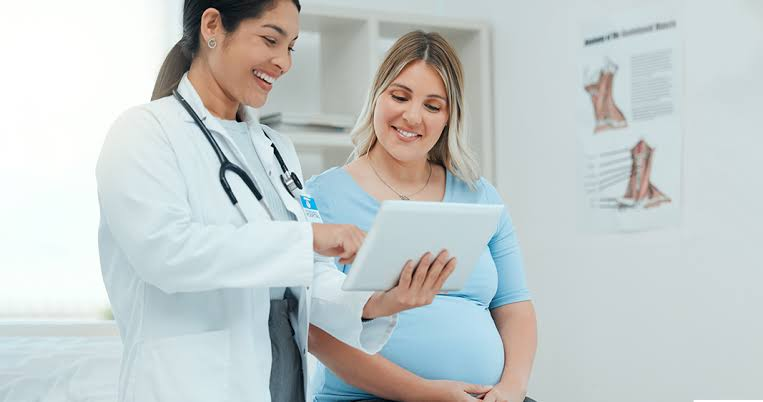
A doctor, certified nurse-midwife, nurse practitioner, or other qualified pregnancy care professional should be one of your most important resources.

Your provider can give personalized guidance based on factors such as:
- Your health history
- Pregnancy history
- Medications
- Age
- Laboratory results
- Ultrasound findings
- Pregnancy stage
- Existing health conditions
- Individual risks
General online information cannot account for all of these factors.
Your prenatal provider can also help you understand which pregnancy tests, vaccinations, screenings, supplements, and appointments are appropriate for you.
2. The American College of Obstetricians and Gynecologists
The American College of Obstetricians and Gynecologists, commonly known as ACOG, provides patient education on many pregnancy topics.
Its educational materials cover subjects such as:
- Prenatal care
- Pregnancy symptoms
- Nutrition
- Exercise
- Labor and delivery
- Cesarean birth
- Postpartum care
- Breastfeeding
- Pregnancy complications
Professional medical organizations can be especially useful when you want more detail after discussing a topic with your healthcare provider.
3. The Centers for Disease Control and Prevention
The Centers for Disease Control and Prevention, or CDC, provides public health information related to pregnancy.
Its pregnancy resources include information about:
- Vaccination
- Infections
- Medication safety
- Pregnancy health
- Environmental exposures
- Maternal health
- Infant health
- Preconception health
Government health agencies are valuable because their recommendations are based on public health research and expert review.
4. The U.S. Department of Health and Human Services
The U.S. Department of Health and Human Services provides information about health programs and services.
It can help people learn about federal health programs, maternal health initiatives, insurance-related resources, and other forms of public assistance.
5. MedlinePlus
MedlinePlus is a health information service from the U.S. National Library of Medicine.
It provides easy-to-understand information about many medical conditions, treatments, medications, and health topics.
It can be a useful starting point when you want to learn about a pregnancy-related medical term before discussing it with your healthcare professional.
Pregnancy Resources for Prenatal Care
Prenatal care is one of the most important areas of pregnancy health.
Prenatal appointments allow healthcare professionals to monitor the health of the pregnant person and developing baby.
Depending on the pregnancy, appointments may include:
- Blood pressure checks
- Weight monitoring
- Blood tests
- Urine testing
- Ultrasound examinations
- Genetic screening discussions
- Fetal growth monitoring
- Vaccination discussions
- Nutrition counseling
- Mental health screening
- Birth planning
The exact schedule and tests can vary.
Do not rely on a generic pregnancy calendar to decide when you need medical care. Your healthcare provider should create a care plan appropriate for your pregnancy.
Pregnancy Week-by-Week Resources
Many people search for pregnancy resources that explain what happens during each week.
Week-by-week guides can help explain:
- Typical fetal development
- Common physical changes
- Common symptoms
- Prenatal appointments
- Nutrition considerations
- Questions to ask a provider
- Preparation tasks
However, pregnancy timelines are estimates.
Two healthy pregnancies may develop differently. A baby may be slightly larger or smaller than an average estimate, and symptoms can vary greatly.
A week-by-week guide should therefore be used as an educational tool rather than a diagnostic tool.
Pregnancy Resources by Trimester
Understanding pregnancy by trimester can make information easier to organize.
First Trimester Resources
The first trimester generally covers the early part of pregnancy.
Common topics include:
- Confirming pregnancy
- Finding prenatal care
- Starting prenatal vitamins
- Reviewing medications
- Understanding early pregnancy symptoms
- Learning about genetic screening
- Avoiding harmful substances
- Managing nausea and fatigue
If pregnancy is possible or confirmed, contacting a healthcare provider early can help establish an appropriate care plan.
Second Trimester Resources
The second trimester is often a time when people learn more about fetal development and prepare for later pregnancy.
Useful topics may include:
- Anatomy ultrasound
- Nutrition
- Exercise
- Prenatal testing
- Changes in sleep
- Physical comfort
- Childbirth education
- Work and leave planning
- Baby preparation
Third Trimester Resources
The third trimester often focuses on preparing for delivery and the postpartum period.
Helpful topics include:
- Signs of labor
- Birth preferences
- Hospital or birth-center preparation
- Newborn care
- Infant feeding
- Car seat preparation
- Postpartum recovery
- Mental health
- Pediatric care
- Family support
Pregnancy Nutrition Resources
Nutrition is an important part of pregnancy.
Pregnancy nutrition resources can help people understand:
- Protein needs
- Fruits and vegetables
- Whole grains
- Healthy fats
- Iron
- Calcium
- Folate
- Vitamin D
- Iodine
- Hydration
- Food safety
Pregnancy does not mean that every food rule found online is medically necessary. Some online advice is based on personal experience rather than scientific evidence.
For personalized nutritional guidance, consider speaking with your healthcare provider or a registered dietitian.
Prenatal Vitamins and Pregnancy Resources
Prenatal vitamins commonly contain nutrients that are important during pregnancy, including folic acid or folate and iron.
However, supplements vary widely.
Some contain different amounts of:
- Iron
- Folate
- Vitamin D
- Iodine
- Calcium
- Vitamin B12
- DHA
More is not always better.
Certain vitamins and supplements can be harmful in excessive amounts, so discuss supplements with a healthcare professional rather than combining several products without guidance.
Pregnancy Food Safety Resources
Food safety is an important part of pregnancy education.
Trusted pregnancy resources can help you understand issues involving:
- Undercooked meat
- Raw or undercooked eggs
- Certain seafood
- Unpasteurized foods
- Food contamination
- Proper food storage
- Safe food preparation
The U.S. Food and Drug Administration and CDC provide useful food-safety information for pregnancy.
Because food safety recommendations can change as new evidence becomes available, current government guidance is generally more reliable than old social media posts.
Pregnancy Exercise Resources
Physical activity can be beneficial during pregnancy for many people, but the appropriate activity level depends on individual circumstances.
Pregnancy exercise resources commonly discuss:
- Walking
- Swimming
- Low-impact activities
- Strength exercises
- Flexibility
- Pelvic floor exercises
Some pregnancies require activity restrictions.
If you have complications, pain, bleeding, contractions, dizziness, or other concerning symptoms, contact your healthcare provider for guidance rather than relying on a general exercise program.
Mental Health Pregnancy Resources
Pregnancy can affect emotional health as well as physical health.
People may experience:
- Anxiety
- Stress
- Sadness
- Mood changes
- Sleep problems
- Fear about childbirth
- Concerns about parenting
- Financial stress
Mental health symptoms deserve attention.
If emotional symptoms are persistent, severe, or interfere with daily life, speak with a healthcare professional.
The National Maternal Mental Health Hotline is another resource available to people who need pregnancy or postpartum mental health support in the United States.
If someone is in immediate danger or having thoughts of suicide or harming themselves or someone else, emergency help should be sought immediately by calling 911 or 988 in the United States.
Pregnancy Resources for Health Insurance
Healthcare costs can be a major concern during pregnancy.
Depending on income, household circumstances, state, and eligibility rules, people may qualify for:
- Employer-sponsored insurance
- Marketplace coverage
- Medicaid
- CHIP
- Other public programs
Healthcare.gov can provide information about health insurance options in the United States.
State Medicaid agencies can also provide information about pregnancy-related coverage.
Do not assume that you are ineligible because you were previously uninsured. Pregnancy can affect eligibility for certain programs.
Medicaid Pregnancy Resources
Medicaid is an important healthcare resource for eligible pregnant people.
Coverage rules differ by state, so eligibility should be checked through the appropriate state program.
Medicaid may cover services such as:
- Prenatal care
- Labor and delivery
- Postpartum care
- Certain screenings
- Hospital services
- Other pregnancy-related healthcare
If cost is preventing you from getting prenatal care, ask a healthcare provider, hospital, community health center, or state Medicaid office about available options.
WIC Pregnancy Resources
The Special Supplemental Nutrition Program for Women, Infants, and Children, commonly called WIC, provides nutrition support and related services to eligible participants.
WIC may provide:
- Healthy foods
- Nutrition education
- Breastfeeding support
- Referrals to healthcare and community services
Eligibility requirements apply.
For families facing food insecurity, WIC can be an important pregnancy resource to investigate.
Pregnancy Resources for Low-Income Families
Pregnancy can create financial pressure even before a baby is born.
People may need assistance with:
- Food
- Housing
- Transportation
- Healthcare
- Utilities
- Childcare
- Baby supplies
Useful starting points can include:
- 211
- WIC
- Medicaid
- SNAP
- Local health departments
- Community health centers
- Social service agencies
- Faith-based community organizations
- Nonprofit family support programs
Eligibility varies by program and location.
Pregnancy Resources for Transportation
Transportation can become a barrier to prenatal care.
If transportation is difficult, ask your healthcare provider whether your insurance offers transportation benefits.
Other possible resources include:
- Medicaid transportation programs
- Local public transportation
- Community organizations
- Hospital transportation programs
- Local health departments
It is better to discuss transportation problems early rather than miss important prenatal appointments.
Pregnancy Resources for Rural Communities
People living in rural areas may have fewer nearby maternity services.
Potential solutions include:
- Telehealth
- Community health centers
- Regional hospitals
- Midwifery services
- Transportation assistance
- Local public health departments
Ask your provider about referral options if specialized pregnancy care requires travel.
Pregnancy Resources for Childbirth Education
Childbirth education classes can help expectant parents learn about:
- Labor
- Delivery
- Pain-management options
- Hospital procedures
- Birth preferences
- Newborn care
- Postpartum recovery
Classes may be offered by hospitals, healthcare systems, community organizations, or independent educators.
When choosing a class, check the instructor’s qualifications and whether the information is consistent with current medical guidance.
Pregnancy Birth Plan Resources
A birth plan can help communicate preferences about labor and delivery.
It may cover topics such as:
- Support people
- Pain-management preferences
- Mobility during labor
- Feeding plans
- Newborn procedures
- Communication preferences
A birth plan should not be treated as a guarantee.
Labor can change unexpectedly, and medical decisions may need to change when circumstances change.
A flexible plan is usually more practical than a rigid list of requirements.
Pregnancy Resources for Breastfeeding
Breastfeeding education can begin before birth.
Resources may cover:
- Positioning
- Latch
- Milk production
- Pumping
- Breast milk storage
- Common challenges
- Returning to work
- When to seek professional help
A lactation consultant or qualified healthcare professional can provide individualized assistance.
People who choose formula feeding can also ask their pediatric healthcare provider for safe preparation and feeding guidance.
Pregnancy Resources for Newborn Care
Preparing for a newborn involves more than buying baby products.
Important educational topics include:
- Safe sleep
- Feeding
- Diapering
- Umbilical cord care
- Infant illness
- Car seat safety
- Pediatric appointments
- Vaccinations
- Newborn screening
Safe sleep education is particularly important.
Parents and caregivers should learn current recommendations from trusted pediatric and public health organizations rather than relying on social media trends.
Pregnancy Resources for Postpartum Care
Pregnancy resources should not end when the baby is born.
Postpartum care can involve:
- Physical recovery
- Mental health
- Breastfeeding or formula feeding
- Birth control discussions
- Sleep
- Nutrition
- Pelvic health
- Medication questions
- Follow-up appointments
The postpartum period can involve major physical and emotional changes.
People should contact a healthcare professional if they experience symptoms that concern them rather than assuming every postpartum problem is normal.
Pregnancy Warning Signs: When to Seek Medical Help
Educational resources are useful, but they cannot replace urgent medical assessment.
Contact a healthcare professional promptly if you experience concerning symptoms during pregnancy.
Depending on the situation, warning signs may include:
- Heavy vaginal bleeding
- Severe abdominal pain
- Severe headache
- Vision changes
- Chest pain
- Trouble breathing
- Fainting
- Severe swelling
- Fever
- Fluid leaking from the vagina
- Regular painful contractions before the expected time
- Noticeably reduced fetal movement later in pregnancy
The correct response depends on the pregnancy and symptoms.
For severe or life-threatening symptoms, call 911.
How to Tell If a Pregnancy Resource Is Trustworthy
The internet contains excellent pregnancy information, but it also contains outdated, misleading, and commercially motivated content.
Before trusting a pregnancy resource, ask:
Who created it?
Look for information from:
- Government agencies
- Medical organizations
- Hospitals
- Universities
- Licensed healthcare professionals
When was it updated?
Medical recommendations can change.
A page published many years ago may not reflect current guidance.
Does it provide evidence?
High-quality health information should explain where recommendations come from.
Does it acknowledge uncertainty?
Good medical information does not promise that one solution will work for everyone.
Is the website trying to sell something?
Commercial interests do not automatically make information wrong, but sales claims deserve additional caution.
Does it encourage professional care when appropriate?
Reliable resources should not tell people to ignore serious symptoms or replace necessary medical treatment with an unproven approach.
Pregnancy Resources and Social Media
Social media can be useful for finding community and hearing personal experiences.
However, personal experiences are not the same as medical evidence.
One person’s pregnancy may be completely different from another person’s pregnancy.
Be especially careful with posts claiming that a food, supplement, exercise, or home treatment can:
- Prevent every complication
- Guarantee a specific birth outcome
- Replace prenatal care
- Treat a medical condition
- Work for everyone
A helpful rule is simple:
Use social media for community. Use qualified healthcare sources for medical decisions.
Pregnancy Apps and Digital Resources
Pregnancy apps can help people track information such as:
- Pregnancy dates
- Appointments
- Symptoms
- Questions for providers
- Weight
- Medication reminders
- Baby development information
However, apps can contain errors.
Before relying on an app for medical decisions, check whether its information is reviewed by qualified medical professionals and whether the privacy policy clearly explains how health-related information is collected and used.
Pregnancy Resources and Privacy
Privacy is an important but sometimes overlooked issue.
Pregnancy-related searches and app activity can reveal sensitive information.
Before entering personal information into a website or app, check:
- What information is collected
- Whether health information is stored
- Whether information is shared with third parties
- Whether advertising companies receive data
- Whether an account is required
- How the information can be deleted
- Whether location information is collected
Avoid posting private medical information publicly unless you are comfortable with the potential consequences.
Use strong passwords and enable multi-factor authentication when available.
Pregnancy Resources and Digital Literacy
Digital literacy means knowing how to evaluate online information.
When searching for pregnancy information, compare important medical claims across multiple trusted sources.
For example, if a social media post recommends a pregnancy supplement, do not immediately purchase it. Search for information from a government health agency, medical organization, or healthcare professional.
Be cautious about:
- Miracle claims
- Guaranteed outcomes
- Fear-based marketing
- Anonymous medical advice
- Before-and-after stories presented as proof
- Products claiming to replace medical treatment
- Outdated articles
- AI-generated health content without medical review
The ability to identify trustworthy information is itself an important pregnancy resource.
Pregnancy Resources for Partners and Family Members
Partners and family members can also benefit from pregnancy education.
Useful topics include:
- How to support prenatal care
- Pregnancy symptoms
- Healthy nutrition
- Emotional support
- Preparing for childbirth
- Newborn safety
- Postpartum mental health
- Household planning
Support does not always mean giving advice.
Sometimes the most helpful action is listening, helping with practical tasks, attending appointments when appropriate, or encouraging professional care when something seems concerning.
Questions to Ask Your Pregnancy Healthcare Provider
Taking questions to appointments can help you make better use of your healthcare visits.
Consider asking:
- What changes should I expect at this stage?
- Which prenatal tests are recommended for me?
- Which medications and supplements are appropriate?
- What foods should I avoid?
- What physical activity is appropriate?
- Which symptoms should prompt a call?
- Where should I go if I have an urgent concern?
- What should I expect at my next appointment?
- What resources are available if I have financial difficulties?
- What should I know about postpartum care?
Writing questions down before an appointment can be useful because it is easy to forget questions during a busy visit.
How to Build Your Own Pregnancy Resource List
Instead of collecting dozens of websites, create a small personal resource list.
A useful list can contain six categories.
Medical Care
Save your:
- Prenatal provider
- Hospital or birth center
- Pharmacy
- Pediatric provider
Emergency Care
Know:
- Emergency department location
- 911
- Your provider’s urgent phone number
Government Benefits
Keep information for:
- Medicaid
- WIC
- SNAP
- Healthcare.gov
- Local assistance programs
Emotional Support
Save:
- Mental health provider
- National Maternal Mental Health Hotline
- 988 Suicide & Crisis Lifeline
Education
Choose a few reliable sources instead of relying on hundreds of social media accounts.
Community Support
Identify:
- Local parenting groups
- Food programs
- Transportation services
- Community health centers
- Childbirth education programs
This approach turns a large amount of online information into a simple support system.
Common Mistakes When Searching for Pregnancy Resources
Relying on a Single Website
No single resource can answer every pregnancy question.
Use multiple high-quality sources and discuss important decisions with your provider.
Following Outdated Advice
Pregnancy recommendations can change.
Check publication and update dates.
Comparing Your Pregnancy Too Closely With Others
Pregnancy symptoms and development vary.
A difference does not automatically mean something is wrong.
Ignoring Mental Health
Emotional health is part of pregnancy health.
Seek help when stress, anxiety, depression, or other symptoms become difficult to manage.
Waiting Until an Emergency to Find Help
Know who to contact before you need urgent assistance.
Save important phone numbers and addresses early.
Assuming Online Information Is Personalized
Most pregnancy articles are general.
Your healthcare provider can interpret information in relation to your specific situation.
Frequently Asked Questions About Pregnancy Resources
1. What is the most reliable pregnancy resource online?
Reliable starting points include government health agencies, major medical organizations, established hospitals, medical schools, and information reviewed by qualified healthcare professionals. For personal medical decisions, your prenatal healthcare provider is the most appropriate resource.
2. Where can I find free pregnancy resources in the United States?
Free or low-cost resources may be available through WIC, Medicaid, 211, community health centers, local health departments, nonprofit organizations, and government programs. Eligibility varies by location and personal circumstances.
3. Can pregnancy apps replace prenatal care?
No. Pregnancy apps can help with tracking and education, but they cannot replace prenatal examinations, laboratory testing, professional diagnosis, or individualized medical care.
4. How can I find pregnancy resources if I do not have health insurance?
You can contact your state’s Medicaid program, Healthcare.gov, a community health center, local health department, or 211. Ask specifically about pregnancy-related healthcare coverage and low-cost prenatal services.
5. What should I do if pregnancy information online conflicts with my doctor’s advice?
Ask your healthcare provider about the difference and explain where you found the information. Medical recommendations can depend on individual circumstances, and your provider has access to your health history and clinical information.
Conclusion
Finding good pregnancy resources can make pregnancy easier to understand and navigate. The best resources cover more than fetal development. They can help with prenatal care, nutrition, exercise, mental health, childbirth preparation, insurance, financial assistance, newborn care, breastfeeding, postpartum recovery, and community support.
For people in the United States, government health agencies, established medical organizations, qualified healthcare professionals, and reputable community programs are strong places to begin.
The most important principle is to match the resource to the question. Use educational websites to learn, healthcare professionals to make medical decisions, government programs to explore benefits, and community organizations to find practical support.
Pregnancy does not need to be navigated alone. Building a small, trustworthy network of pregnancy resources can help you ask better questions, recognize when professional help is needed, and prepare more confidently for pregnancy, birth, and life with a new baby.